It’s not that people always walk into a clinic saying, “I have dandruff.”
They say things like —
“My scalp keeps itching.”
“White flakes come back no matter what shampoo I use.”
“It improves for a few days and then returns.”
And that’s usually the biggest clue.
Because dandruff that refuses to go away is rarely just about dryness or hygiene. It’s often your scalp asking for a more structured approach — not another random product from the shelf.
In cities like Hyderabad, where heat, sweat, pollution, styling products, long work hours, and stress all collide, chronic dandruff has become one of the most common scalp concerns dermatologists see today.
Why Some Dandruff Never Fully Clears
If dandruff keeps returning, it’s usually because the root cause hasn’t been identified correctly.
Persistent dandruff may be linked to:
- Overgrowth of scalp yeast (Malassezia)
- Seborrheic dermatitis
- Oily scalp imbalance
- Excessive dryness with barrier damage
- Product buildup
- Underlying scalp inflammation
- Lifestyle and stress-related triggers
Using the same anti-dandruff shampoo repeatedly may control flakes temporarily — but without addressing the scalp condition beneath, the problem keeps cycling.
That’s why dermatologists treat dandruff in stages, not all at once.
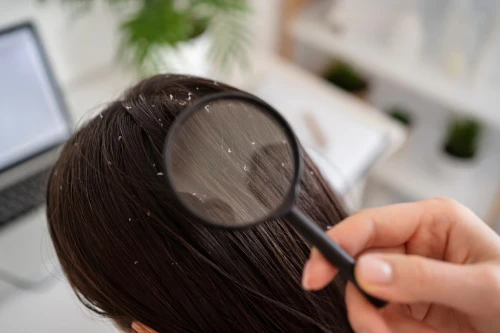
Step 1: Identifying the Type of Dandruff
Before treatment begins, understanding what kind of dandruff you have is essential.
Dry dandruff
Appears as small, powdery flakes. Often worsens in winter or after frequent washing. Scalp feels tight and itchy.
Oily dandruff
Larger, yellowish flakes that stick to the scalp. Usually associated with excess oil and sweating.
Fungal dandruff
Caused by yeast overgrowth. Intense itching, recurring flakes, redness.
Inflammatory dandruff (Seborrheic Dermatitis)
Flakes along hairline, eyebrows, behind ears. Often flares under stress.
Each type needs a different treatment approach — using the wrong solution can actually worsen the condition.
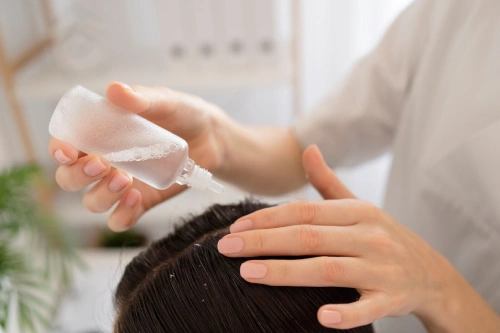
Step 2: Medical Anti-Dandruff Therapy
When dandruff doesn’t go away, dermatologists usually start with medical-grade shampoos, not cosmetic ones.
These may contain:
- Antifungal agents
- Anti-inflammatory actives
- Scalp-calming ingredients
These shampoos are used in a structured schedule — not daily, not randomly.
Used incorrectly, even good shampoos can dry the scalp or cause rebound dandruff.
This phase typically lasts 3–4 weeks and focuses on calming active flaking and itching.
Step 3: Scalp Barrier Repair
One of the most overlooked reasons dandruff keeps returning is a damaged scalp barrier.
An irritated scalp loses its natural protective oils, allowing yeast and bacteria to multiply easily.
Dermatologists often introduce:
- Scalp soothing serums
- Barrier-repair lotions
- Anti-inflammatory solutions
This step is crucial — without it, dandruff often returns within weeks of stopping medicated shampoo.
Step 4: When Dandruff Needs In-Clinic Treatments
If flakes remain stubborn despite home care, clinic-based scalp therapies become highly effective.
1. Medicated Scalp Clean-up Treatments
These treatments deeply cleanse hardened flakes, product buildup, and oil plugs using dermatologist-approved solutions.
Ideal for:
- Thick dandruff layers
- Oily scalp
- Long-standing flaking
They allow medications to penetrate better afterward.
2. Scalp Detox Therapy
Scalp detox helps rebalance oil secretion and reduce inflammation.
Recommended when:
- Scalp feels greasy soon after washing
- Dandruff returns within 2–3 days
- There’s itching with sweating
This treatment restores scalp health rather than just removing flakes.
3. Anti-Inflammatory Scalp Therapy
For people with redness, irritation, or seborrheic dermatitis, calming treatments are used to reduce flare-ups.
These are particularly helpful for patients whose dandruff worsens during stress, weather change, or hormonal fluctuations.
Step 5: When Hair Fall and Dandruff Occur Together
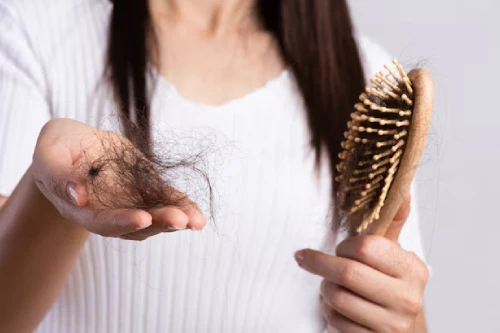
Many patients notice increased hair fall along with dandruff — and this isn’t a coincidence.
If there is inflamed scalp, it weakens the roots, causing disturbances during the hair growth cycle.
Once the dandruff is managed, dermatologists may prescribe the following treatments.
1. P-R-P Hair Fall Problem Solution
It also promotes better scalp circulation, lowers inflammation, and boosts the strength of the follicles.
Recommended when:
- Hair thinning has begun
- Hair loss occurs despite controlling dandruff
- Scalp care requires regeneration
P-R-P is not a dandruff remedy by itself but helps in post-inflammatory scalp healing.
2. Mesotherapy for Scalp Nutrition
Used when hair feels weak, dry, and lifeless after prolonged dandruff issues.
This helps restore nutrients and improve the scalp environment once flaking is under control.
Step 6: Lifestyle Factors That Need To Be Managed
Even the very best treatment plan will fail if the daily triggers are not eliminated.
Dermatologists usually recommend:
- Avoiding very hot water
- Reducing Frequent Oiling in Active Dandruff
- Using fewer styling products
- Coping with stress
- Maintaining scalp dry after exercise
Small habits contribute largely to recurring incidents.
Step 7: Maintenance — The Most Important Phase
Dandruff treatment doesn’t end when flakes disappear.
Maintenance includes:
- Mild medicated shampoo once weekly
- Scalp-calming products
- Seasonal treatment adjustments
This phase keeps dandruff from returning — something random self-treatment rarely achieves.
Why One-Size-Fits-All Solutions Don’t Work
What works for your friend may worsen your scalp.
Dandruff isn’t a surface problem — it’s a scalp health condition.
At Celestee Skin, Laser and Hair Clinic, treatment plans are created after scalp examination, understanding lifestyle patterns, and identifying triggers — ensuring long-term control instead of temporary relief.
Ending Thoughts
If dandruff persists, that is not a failure on your end.
It’s only your scalp making this demand on you.
With appropriate diagnosis, treatment, and care, even chronic dandruff can be managed, not just treated and brought under control.
Healthy hair grows from a calm and balanced scalp.
Then, once your scalp is healed, your confidence comes creeping back – flake-free, pain-free, and anxiety-free.