Picofy Picosecond Laser: Clearer, Brighter, More Even Skin in Hyderabad
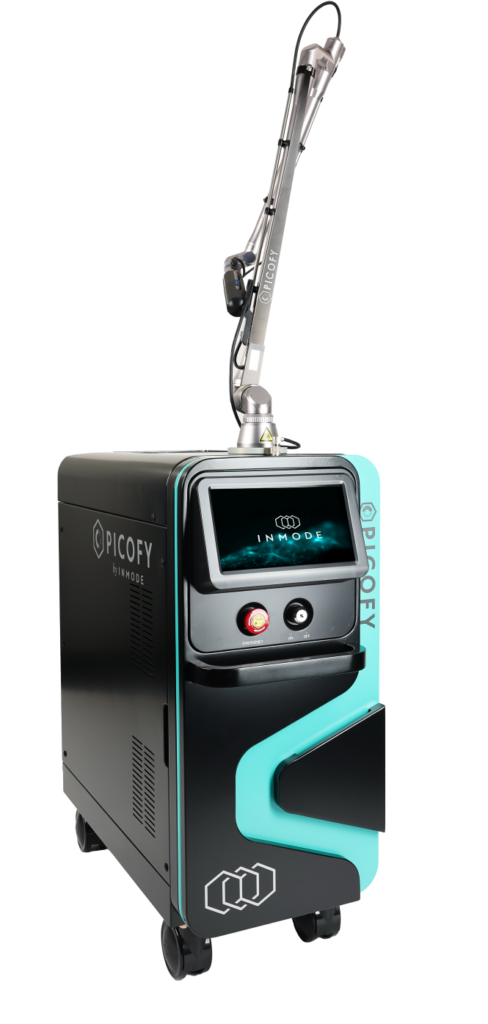
Struggling with stubborn melasma, deep pigmentation, acne scars, or unwanted tattoos? The Picofy Picosecond Laser represents the gold standard in non-thermal laser dermatology. Operating at an astonishing trillionth-of-a-second pulse duration, Picofy shatters pigment particles into microscopic dust via photoacoustic shockwaves rather than heat, drastically reducing the risk of post-inflammatory hyperpigmentation on Indian skin. Consult with the certified laser dermatologists at Celestee Clinics in Hyderabad.
What is Picofy Picosecond Laser Technology?
Traditional aesthetic lasers (such as older nanosecond Q-switched lasers) rely primarily on photothermal action—heating melanin clusters to break them apart. For melanin-rich Indian skin (Fitzpatrick skin types III to V), excessive heat often damages surrounding melanocytes, frequently causing rebound darkening or Post-Inflammatory Hyperpigmentation (PIH).
The Picofy Picosecond Laser changes this paradigm completely through photoacoustic shockwave technology. By delivering ultra-short pulses in picoseconds (one picosecond is one trillionth of a second), laser energy is delivered so rapidly that pigment structures vibrate and shatter into ultra-fine dust-like particles without heat transfer to surrounding healthy tissue. The immune system's macrophages can then rapidly clear these tiny particles naturally, achieving clearer skin in fewer sessions with virtually zero downtime.
The Four Advanced Clinical Handpiece Modes of Picofy
Picofy integrates dual precision wavelengths and specialized fractional optics to address distinct dermal depths:
01. 1064nm Deep Dermal Pigment Shattering
The 1064nm wavelength penetrates deep into the dermal matrix with minimal melanin absorption in the upper epidermis. This allows our dermatologists to treat deep dermal melasma, post-inflammatory marks, and birthmarks without disrupting the surface skin barrier.
02. 532nm Superficial Epidermal Target Mode
The 532nm frequency-doubled mode has high affinity for superficial melanin deposits and warm-toned tattoo pigments (red, orange, brown). It selectively targets surface sun spots and cafe-au-lait macules with microscopic precision, resulting in rapid crust-free clearing.
03. Fractional MLA (Focus Lens) Scar & Pore Remodeling
Using the patented Micro-Lens Array (MLA) handpiece, Picofy concentrates picosecond beams into hundreds of high-energy micro-spots that trigger Laser-Induced Optical Breakdown (LIOB) in the dermis. This forms localized micro-cavities beneath an intact surface, stimulating massive new collagen and elastin production to smooth pitted acne scars without downtime.
04. Picosecond Hollywood Carbon Laser Toning
A medical-grade liquid carbon suspension is applied to absorb into congested pores, then blasted by picosecond acoustic pulses. The shockwave instantly vaporizes impurities, removes dead cellular debris, shrinks dilated pores, and reveals a radiant, illuminated skin finish without peeling.
Who is a suitable candidate for Picofy Laser Treatment?
Picofy is safe and clinically indicated for all Fitzpatrick skin types (I to VI), and is particularly optimized for melanin-rich Indian skin. Ideal candidates include:
- Individuals with persistent melasma resistant to topical serums and chemical peels.
- Patients with stubborn post-inflammatory hyperpigmentation (PIH) following acne breakouts or trauma.
- Anyone experiencing stubborn sun tan, freckles, or uneven skin tone across the face and neck.
- Individuals with rolling, boxcar acne scars seeking non-ablative collagen remodeling with no scabbing.
- Individuals desiring a rapid, illuminated skin glow before major personal or professional events.
- Patients seeking safe, effective removal of amateur, professional, or cosmetic tattoos.
Why the Picofy Technology Excels for Indian Skin
Melanin-rich skin requires specialized clinical precautions. Picofy provides two definitive safety advantages:
1. Non-Thermal Photoacoustic Safety
By delivering pulses in trillionths of a second, Picofy finishes its mechanical work before thermal diffusion can occur into adjacent skin. This prevents thermal melanocyte irritation, drastically lowering the risk of post-laser darkening (PIH).
2. Ultra-Fine Pigment Dust Fragmentation
While older Q-switched lasers break pigment into pebble-sized chunks, Picofy shatters pigment into microscopic dust. The lymphatic system cleanses these ultra-fine particles much faster, achieving visible lightening in fewer clinical appointments.
Is Picofy safe? What are the clinical symptoms treated?
Yes, Picofy is US FDA-cleared and clinically validated for laser dermatology. At Celestee Clinics, our treatments are personally calibrated and executed by senior dermatologists who customize pulse width, fluence (energy density), and spot size to your exact skin type and depth of concern.
Because the epidermal surface remains completely intact during toning and fractional MLA modes, there is zero peeling, no raw skin, and no risk of open wounds. Patients return to their work and daily social routines immediately following treatment.
Key dermatological symptoms treated by Picofy:
- Hormonal melasma on the cheeks, nose, forehead, and upper lip.
- Post-acne brown and grey dark spots (PIH).
- Uneven facial tone, chronic dullness, and rough epidermal texture.
- Depressed, rolling acne scars and dilated, visible pores.
- Sunspots (solar lentigines) on the face, shoulders, and hands.
- Superficial freckles and patchy epidermal discoloration.
- Unwanted permanent tattoos (amateur, professional, or cosmetic ink).
- Benign pigmented birthmarks (Nevus of Ota, cafe-au-lait spots).
How is the Picofy Laser procedure administered?
At Celestee Clinics, our senior laser specialists ensure a comfortable, evidence-based treatment session:
- Dermatological Assessment: Multi-spectral skin analysis to classify pigment depth (epidermal vs. dermal) and evaluate skin barrier health.
- Skin Cleansing & Eye Protection: The skin is thoroughly cleansed, and medical-grade opaque laser goggles are fitted.
- Precision Picosecond Delivery: The dermatologist administers targeted picosecond pulses. Patients feel a light snapping sensation resembling a rubber band flick, with integrated continuous skin cooling for comfort.
- Post-Laser Soothing: Application of calming post-laser peptide gel, hydrating matrix, and broad-spectrum physical mineral SPF 50+.
Consult With Our Senior Laser Dermatologists
Treatments personally administered by fellowship-trained aesthetic laser specialists.
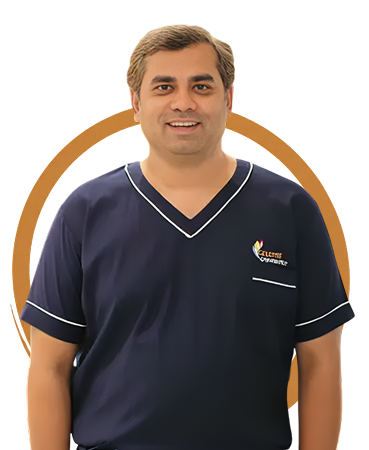
Dr. Raj Kirit E.P.
Senior Aesthetic Dermatologist and Laser Surgeon with over 15 years of clinical expertise in advanced picosecond laser applications, scar revision, and refractory pigment management.
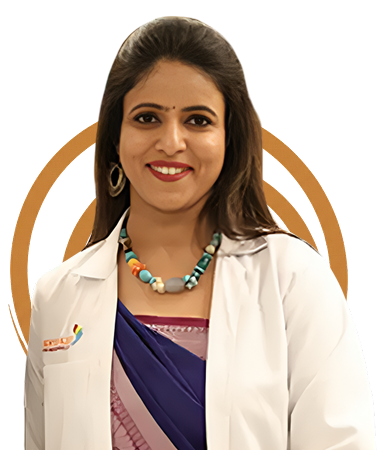
Dr. Sridevi. P.
Renowned consultant dermatologist specializing in medical pigmentation, melasma protocols, and non-ablative laser facial rejuvenation for Indian skin types.
How many sessions are required, and what is the aftercare?
Because Picofy shatters pigment into microscopic dust particles, clearance is significantly faster than traditional lasers. For general skin tone brightening and mild sun damage, 2 to 4 sessions spaced 3 to 4 weeks apart are typical. For deep dermal melasma or acne scar remodeling, 4 to 6 sessions provide progressive, long-lasting clinical clearance.
Post-treatment aftercare is vital to protect treated melanocytes and maintain clarity:
- Apply broad-spectrum mineral SPF 50+ sunscreen every 3 to 4 hours, even indoors.
- Avoid direct sun exposure and wear a wide-brimmed hat or sunglasses when outdoors.
- Do not wash the treated face with hot water; use lukewarm or cool water and a gentle cleanser for 48 hours.
- Avoid strenuous exercise, intense sweating, saunas, and steam rooms for 24 to 48 hours.
- Hold off on active exfoliants (AHA/BHA chemical peels, retinoids, benzoyl peroxide) for 4 to 5 days.
- Keep the skin deeply hydrated with a ceramide-rich barrier repair moisturizer recommended by your doctor.
Frequently Asked Questions: Picofy Picosecond Laser
Clear medical answers to help you choose the right laser treatment in Hyderabad.
