
Exosome Hair Therapy: Regenerative Option for Thinning Hair in Hyderabad
Are you noticing progressive hair thinning, an expanding part-line, or excessive daily shedding? Exosome hair therapy is an advanced, regenerative dermatological treatment designed to re-energize dormant and miniaturized hair follicles. Acting as microscopic intercellular messengers, exosomes deliver concentrated growth factors, peptides, and microRNAs to support follicle cellular repair and promote healthier hair density. Consult with the experienced dermatologists and trichologists at Celestee Skin, Laser and Hair Clinic in Hyderabad.
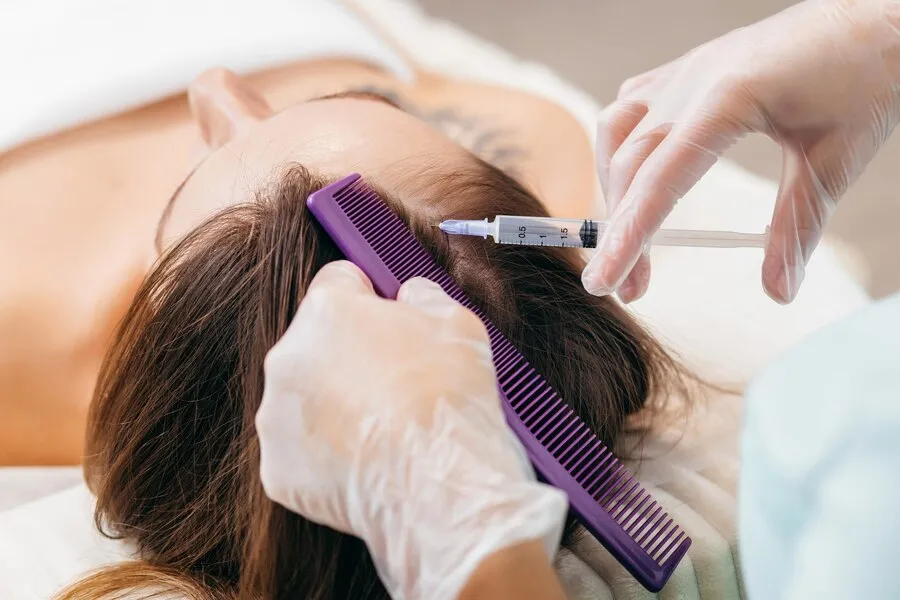
What is Exosome Hair Therapy?
Exosomes are nano-scale extracellular vesicles (measuring approximately 30 to 150 nanometres) naturally secreted by cells to transmit biological instructions and signaling molecules to neighboring tissue. In regenerative trichology, medical-grade exosomes derived from standardized stem cell cultures (such as umbilical cord or adipose tissue) are utilized for their potent regenerative payload.
Packed with over 1,000 biological signaling proteins, vascular endothelial growth factors (VEGF), basic fibroblast growth factors (bFGF), and signaling microRNAs, exosomes are applied to the scalp via microneedling or precision micro-injections. Rather than introducing foreign synthetic compounds, exosomes instruct sluggish follicle dermal papilla cells to reactivate, prolong their natural growth phase, and restore thicker hair shaft caliber.
How do Exosomes support hair follicle health?
The biological action of exosome therapy on miniaturizing hair follicles operates through four coordinated physiological mechanisms:
01. Paracrine Intercellular Signaling & Cellular Wake-Up
Miniaturized hair follicles under the influence of genetics and DHT (dihydrotestosterone) experience weakened intracellular communication. Exosomes fuse with dermal papilla cell membranes, releasing signaling cascades (such as Wnt/β-catenin) that stimulate dormant stem cells in the hair follicle bulge, signaling the hair follicle to re-enter an active metabolic state.
02. Extending the Active Growth (Anagen) Cycle
Hair thinning is characterized by a shortened anagen (growth) cycle and a prolonged telogen (shedding) phase. Exosome growth factors protect keratinocyte matrix cells from premature apoptosis (programmed cell death), allowing individual hair strands to grow for longer periods before naturally shedding.
03. Microvascular Scalp Angiogenesis (Enhanced Blood Supply)
Follicles require consistent micro-circulation for oxygen and nutrient delivery. Exosomes release potent angiogenic peptides (VEGF and bFGF) that promote the sprouting of new micro-capillaries around miniaturized follicles, nourishing thinned hair roots and supporting structural shaft thickness.
04. Follicular Anti-Inflammatory & Scalp Barrier Repair
Chronic perifollicular micro-inflammation is a proven co-factor in both male/female pattern hair loss and acute telogen effluvium. Exosomes carry anti-inflammatory cytokines that downregulate scalp tissue inflammation, creating an optimal biological foundation for sustained follicle growth.
Clinical Indications for Exosome Hair Therapy
Precision scalp biostimulation tailored to early-to-moderate thinning and diffuse hair shedding.
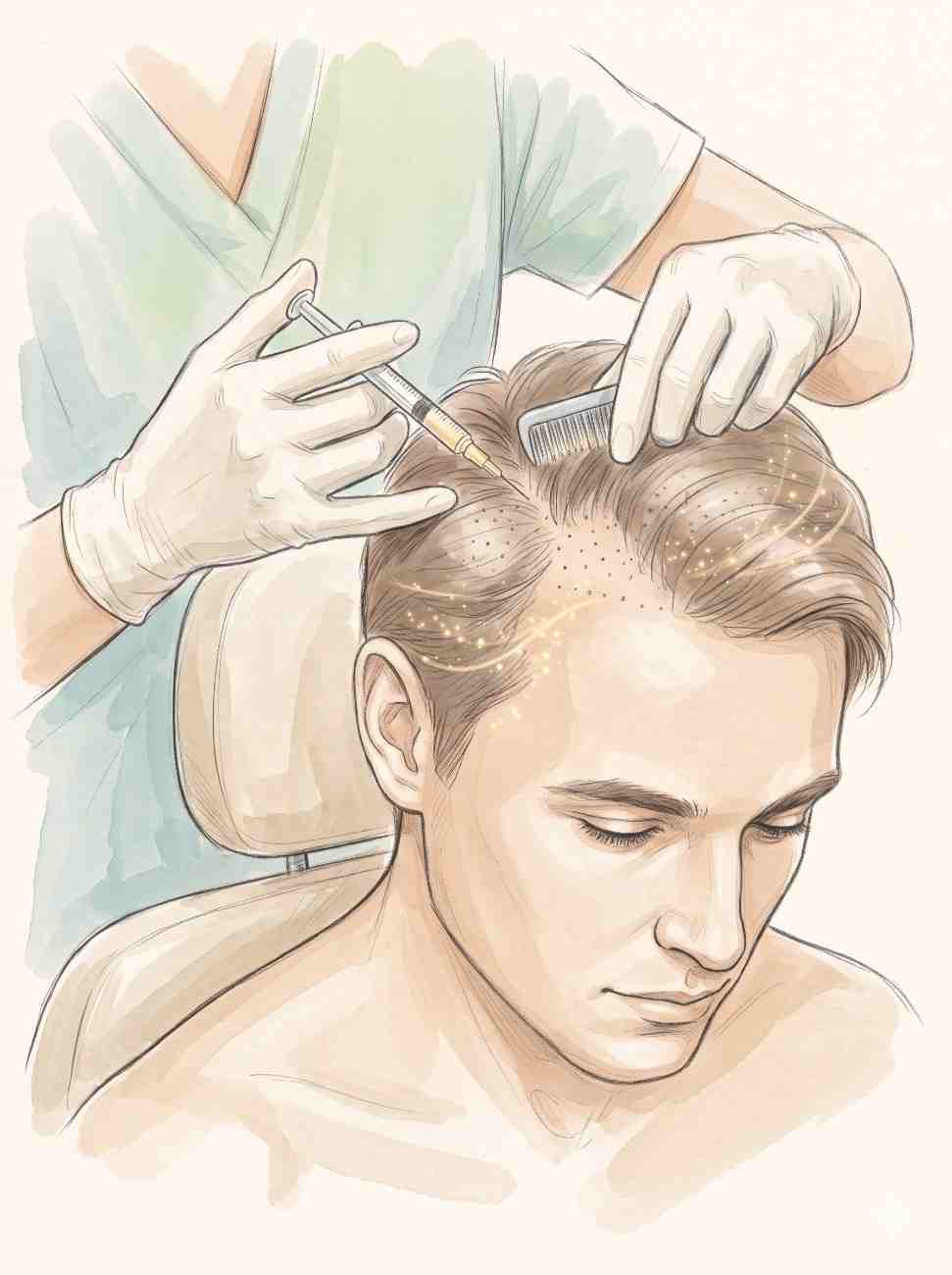 Indication 01
Pattern Thinning (Men & Women)
Reactivates miniaturizing follicles across the crown, temporal corners, and frontal scalp in early-stage androgenetic alopecia.
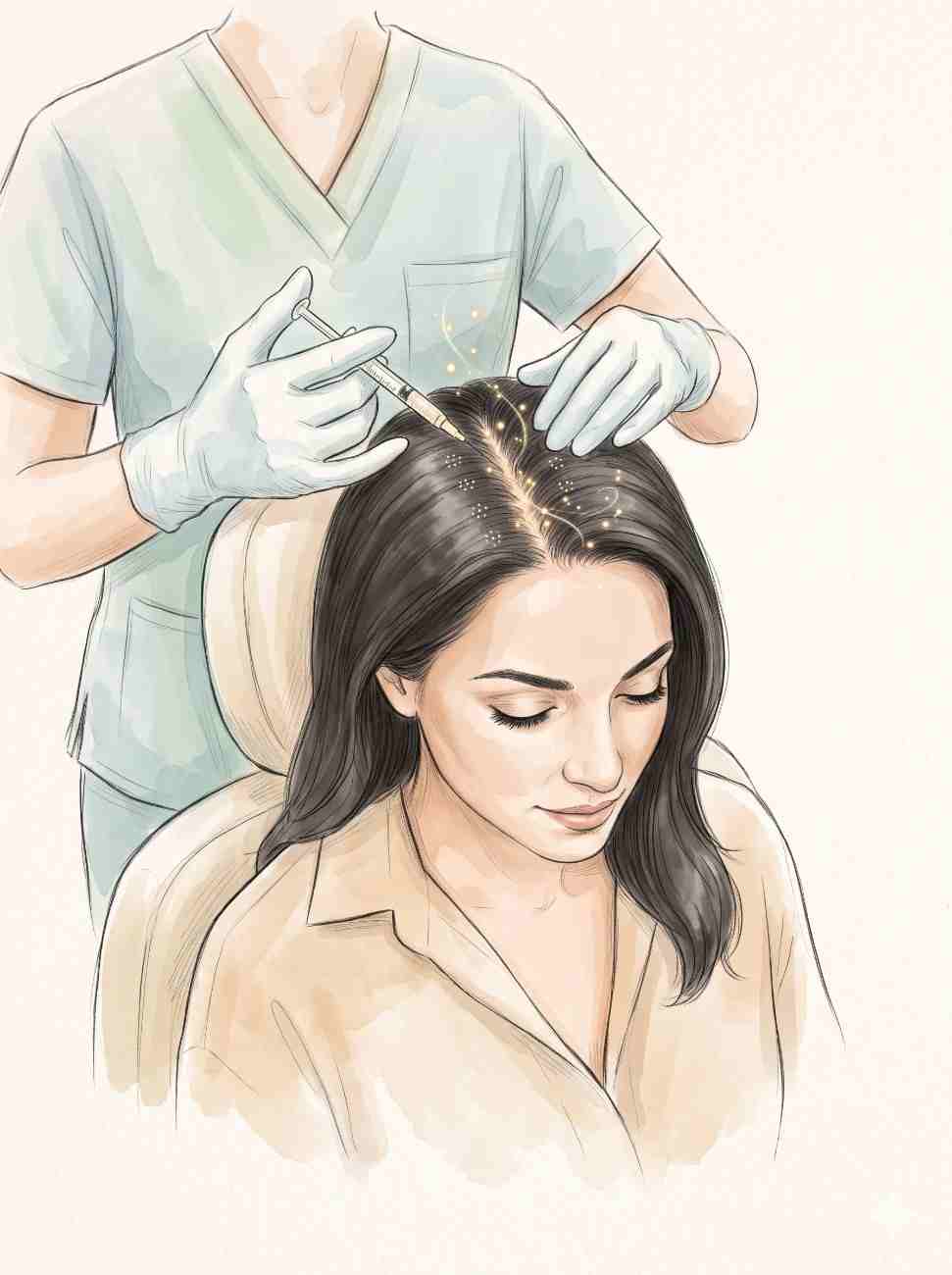 Indication 02
Female Central Part-Line
Targets diffuse midline widening and loss of hair density common in female pattern hair thinning (Ludwig I & II).
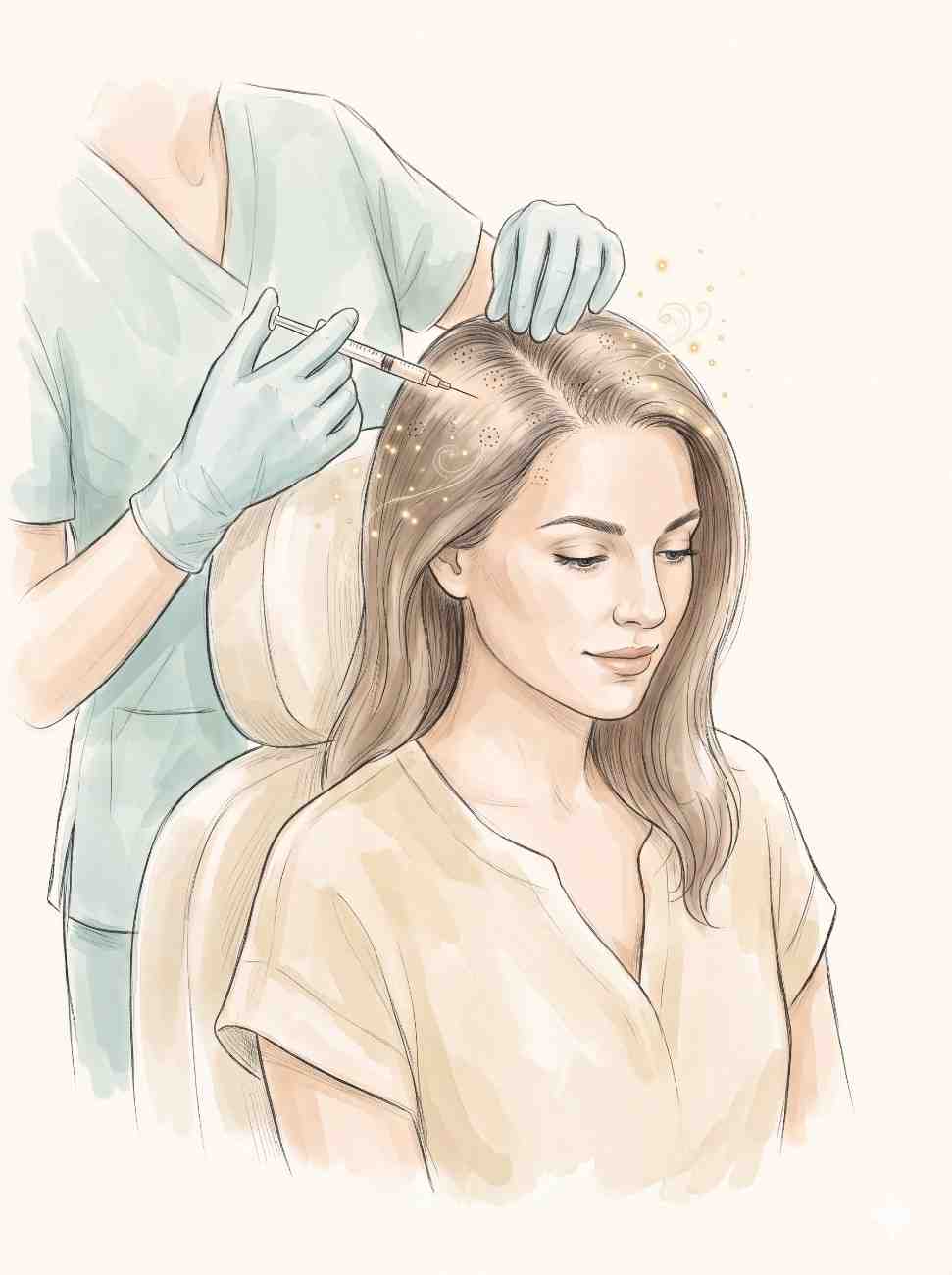 Indication 03
Post-Pregnancy & Telogen Effluvium
Accelerates follicular recovery following acute stress, illness, nutritional deficiency, or postpartum shedding.
Indication 04
Transplant Graft Maintenance
Improves graft take rates and nourishes non-transplanted native hair surrounding surgical recipient zones.
Who is a suitable candidate for Exosome Hair Therapy?
Exosome hair therapy is most effective for individuals with active, living follicles experiencing thinning rather than complete baldness. Suitable candidates typically include:
- Men and women with early to moderate androgenetic alopecia (Norwood Scale 2 to 4, Ludwig Scale 1 to 2).
- Patients experiencing diffuse hair shedding (telogen effluvium) triggered by hormonal shifts or acute physical stress.
- Women noticing a widening central part-line or overall decrease in hair ponytail volume.
- Individuals seeking non-surgical regenerative therapies who may be intolerant to or want to enhance topical Minoxidil or oral Finasteride.
- Post-hair transplant patients looking to bolster healing and support existing native hair density.
- Patients who have reached a plateau with PRP (Platelet-Rich Plasma) therapy and desire higher growth factor concentrations.
Honest Clinical Boundaries: Who is NOT a Candidate?
At Celestee Clinics, our dermatologists maintain strict clinical integrity. Exosomes cannot revive follicles that have been completely lost:
Complete, Long-Standing Baldness
In areas where the scalp is completely slick and bald (Norwood 6–7) and follicle ostia (pores) have fibrosed shut, medical hair transplantation is the only viable restorative solution. Exosomes require an existing, viable follicle structure to deliver regenerative signals.
Active Scarring (Cicatricial) Alopecias
Conditions such as Lichen Planopilaris (LPP) or Frontal Fibrosing Alopecia (FFA) involve active autoimmune destruction of hair stem cells. These require specialized immunosuppressive dermatological protocols before any regenerative therapy can even be considered.
Evidence Status, Safety & An Honest Note on Regulation
Scientific Evidence Status: Research on exosomes for hair restoration is promising and rapidly evolving. The strongest biological evidence currently stems from laboratory cell culture and animal trials demonstrating enhanced anagen signaling and angiogenesis. While multiple published clinical studies—including trials conducted in India with peer-reviewed patient cohorts—demonstrate significant improvements in hair count and shaft diameter, larger multi-center randomized controlled human trials are registered and ongoing globally.
Regulatory Transparency: No exosome product currently holds formal FDA drug approval for medical conditions or hair regrowth. In India, regulatory oversight of exosome biologics by regulatory bodies is continually developing. Because product quality, donor sourcing, and sterility standards vary significantly across the industry, Celestee Clinics exclusively uses verified, batch-tested, sterile biological preparations sourced from accredited biopharmaceutical laboratories.
What are the key symptoms treated by Exosome Scalp Therapy?
- Decreased hair shaft diameter (fine, wispy, miniaturized hair).
- Excessive daily hair fall exceeding 100 strands per day.
- Visible scalp showing through hair under bright overhead lighting.
- Receding temporal hair lines and thinning crown apex.
- Scalp tightness, micro-inflammation, or chronic scalp irritation.
- Sluggish hair regrowth following postpartum shedding or COVID effluvium.
- Fragile hair prone to breakage before reaching natural terminal length.
- Early-stage genetic vulnerability with family history of hair loss.
How is the Exosome Hair Therapy procedure administered?
At Celestee Clinics, our senior dermatologists follow a sterile, evidence-based trichological protocol for exosome delivery:
- Digital Trichoscopy: High-magnification scalp imaging to assess follicular unit density, miniaturization percentage, and scalp barrier health.
- Scalp Sterilization & Prep: Antiseptic cleansing and optional topical anesthetic spray to ensure zero discomfort during delivery.
- Precision Micro-Channeling: Using medical-grade automated microneedling (0.5mm to 1.0mm depth) or specialized meso-microinjections, micro-channels are created across the target scalp zones.
- Exosome Infusion & Absorption: The concentrated exosome suspension is immediately infused directly into the open follicular channels, ensuring optimal bio-absorption into the dermal papilla.
Clinical Hair Density Evolution
Expected biological timeline based on the human hair follicle regeneration cycle.
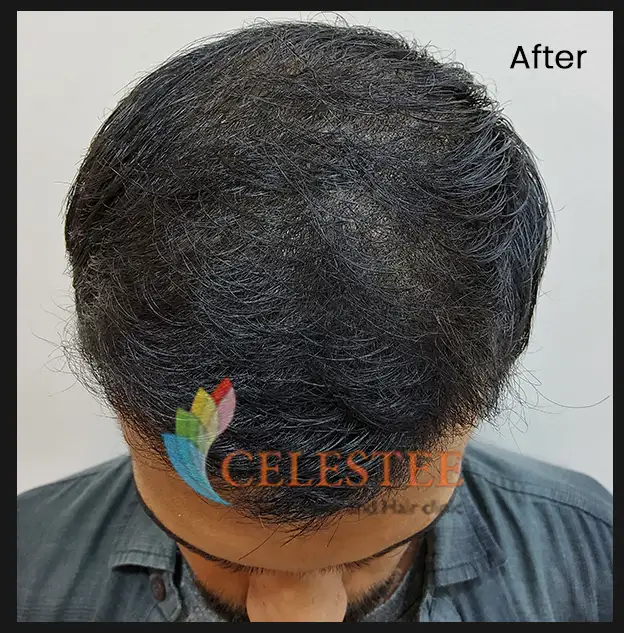 Trichoscopy Follicular Evolution
*Hair follicle cycles are gradual. Biological changes occur over several months. Exosome therapy works best alongside proven foundational medical treatments (such as Minoxidil, Finasteride, or PRP) chosen after an accurate dermatological diagnosis.
Consult With Our Senior Dermatologists & Trichologists
Treatments supervised and performed by fellowship-trained hair and scalp specialists.
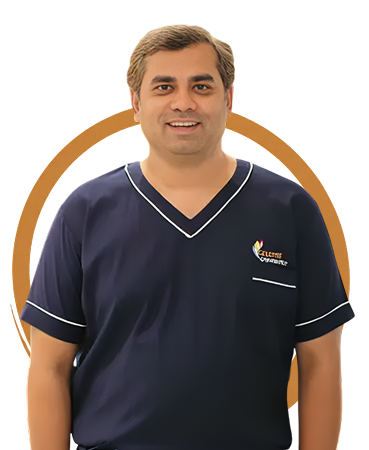
Dr. Raj Kirit E.P.
Senior Aesthetic Dermatologist and Hair Transplant Surgeon with over 15 years of experience in clinical trichology, advanced regenerative biologics, and surgical restoration.
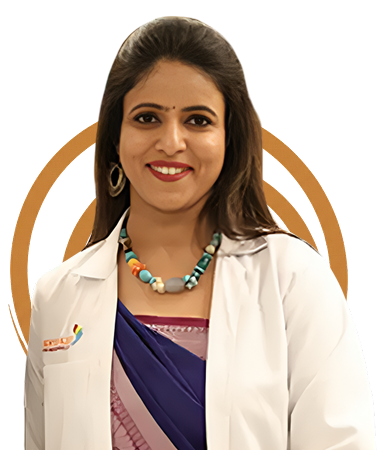
Dr. Sridevi. P.
Renowned consultant dermatologist specializing in medical scalp disorders, female pattern hair loss, and regenerative follicle stimulation with an evidence-based approach.
How many sessions are required, and what is the post-care routine?
A standard clinical protocol typically comprises an initial course of 3 to 4 sessions spaced 3 to 4 weeks apart. Because biological follicular response takes time, visible reduction in shedding is typically observed around weeks 6 to 8, followed by improved shaft thickness and coverage evaluated between 3 to 6 months.
To protect your scalp and maximize exosome absorption, adhere to these simple post-care guidelines:
- Do not wash your hair or wet your scalp for at least 12 to 24 hours following delivery.
- Avoid vigorous workouts, heavy sweating, saunas, and steam rooms for 48 hours.
- Avoid touching, scratching, or rubbing the treated scalp areas.
- Hold off on hair coloring, chemical perms, or harsh topical treatments for 7 days.
- Pause topical Minoxidil application for 24 hours post-procedure before resuming.
- Protect your scalp from direct sun exposure and wear a clean, loose cap when outdoors.
Frequently Asked Questions: Exosome Hair Therapy
Clear, honest clinical answers regarding exosome therapy for hair loss in Hyderabad.
