At some point in time, we may develop acne or pimples on the face and many of us are still suffering from it. Pimple and acne are two terms often used by people interchangeably because of the unawareness that both are different.
This blog goes into details of the causes and types of pimples as well as acne treatment in Hyderabad. One can even learn how pimples are different from acne.
What are Pimples and Acne?
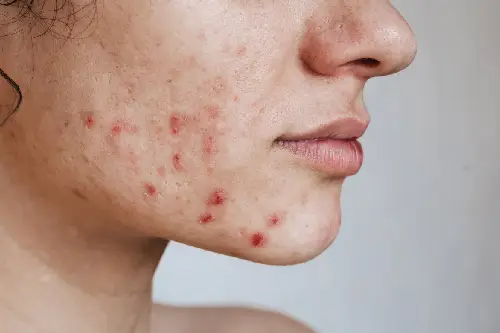
Pimples are small, inflammatory skin blemishes. Acne is a skin problem that causes various types of blemishes/lesions to appear on the skin surface, including pimples.
Types of Pimples
There are two types of pimples. The following are the pimple types:
- Papules– These are regular-sized, mild pimples- the rounded bumps on the skin that can be pink, purple, red, or brown. They can be solid or cystic; be felt or palpated.
- Pustules– These are swollen and engorged pimples- the pus-filled papules. They have a red base and a white portion in the center. They can be infectious or non-infectious.
Types of Acne
Acne classification may be done based on the severity of acne. Based on the cause, acne is of two kinds: Non-inflammatory acne and Inflammatory acne. Non-inflammatory acne includes comedones that are the result of plugging of hair follicles with sebum, dirt, and cell debris. Inflammatory acne type includes pimples, cysts, and nodules and is the result of bacterial growth in the clogged pores.
The six main types of acne are briefed as under:
- Open comedones (Blackheads)– These are tiny, black skin spots formed due to clogged pores being open at the skin surface.
- Closed comedones (Whiteheads)– These are tiny, white skin bumps formed due to clogged pores being close to the skin surface.
- Papules– These are inflamed, red bumps or lumps on the skin.
- Pustules– These are papules with white heads formed due to pus build-up.
- Nodules– These are hard, painful lumps that form under the skin.
- Cysts– These are the pus-filled nodules, the most severe form of acne.
What Causes Pimples and Acne?
Pimples and acne can develop due to a variety of intrinsic and extrinsic reasons. In general, they are the result of clogging of skin pores with extra sebum, dead skin cells, impurities, and sometimes bacteria.
The potential acne triggers include:
- Unhealthy diet plan- Some foods like greasy foods, foods rich in carbohydrates/refined sugars, dairy products, and meat are known to trigger acne breakouts.
- Fluctuating hormones- An increased androgen hormone production at the time of adolescence, pregnancy, and menses can increase the chances of acne breakouts by increasing sebum production.
- Microbial growth- The bacteria multiplying in the clogged pores or the growth of yeast/fungus in the clogged hair follicles can lead to acne.
- High stress level- Stress can exacerbate acne by releasing cortisol and androgen hormones which have a role in promoting sebum production.
- Use of oil-based cosmetics or exposure to harsh chemicals
- Humid/polluted environment
- Intake of corticosteroids or anabolic steroids.
Effective Pimple and Acne Treatments
Acne treatment varies based on the type, location, and severity of acne. The pimple treatment options include:
- Non-prescription medications/topicals– These include products containing azelaic acid, retinoids, salicylic acid, and benzoyl peroxide.
- Prescription medications– Dermatologists may recommend hormone replacement therapy or antibiotics, depending on the cause of acne. For nodular and cystic acne, dermatologists provide cortisone injections.
- Cosmetic procedures– For moderate to severe acne, dermatologists may recommend therapies like chemical peeling, microdermabrasion, and laser skin resurfacing.
When to See a Dermatologist for Acne?
Acne blemishes or pimples are very common and do not pose much discomfort but they do impact one’s appearance and esteem. However, timely showing acne or pimples to a dermatologist is recommended to improve looks and avoid scarring or other complications.
The following signs indicate the need to see a dermatologist for pimples and acne treatment options:
- Fluid-filled, cystic acne
- Deep-seated, painful acne blemishes
- Discolored skin and inflammation
- Scars resulting from cystic or nodular acne
- Acne breakout that covers the major portion of the skin of the body
- Acne that is not cleared from the skin with home remedies or over-the-counter products.
Generally, people seek dermatologist’s help for persistent or severe acne treatment.
Preventing Pimples and Acne
It may be challenging to prevent pimples and acne but not impossible, when there are fluctuating hormones. The acne prevention tips, provided by dermatologists, include:
- Gently wash your face with a mild cleanser at least twice daily, especially after exercising or getting dirty/sweaty
- Avoid the application of skin care products with skin-irritating ingredients.
- If having oily hair, keep hair off from the face and neck. Be regular in washing hair and skin
- Avoid direct skin exposure by wearing sunscreen and sun-protective clothing.
- Consistently practice a clear skin routine and use products that suit your skin type
- Keep skin well hydrated with enough water intake and suitable moisturizer
- Avoid touching the facial skin with your hands
- Practice stress-relieving techniques
- Eat a healthy, varied diet.
Get Pimple Treatment in Hyderabad Today!
Pimples are one of the familiar acne symptoms that majorly affects teenagers and young adults. Acne is a broader term, a condition encompassing various types of lesions like comedones, pimples, and nodular/cystic acne. Knowing the difference between pimples and acne is very important to determine the most effective treatment plan.
Acne treatment in Hyderabad at Celestee Skin, Hair and Laser Clinic generally includes measures that can help keep skin less oily and free of bacteria/fungal growth. If having clear skin goals, get customized clear skincare advice and treatment from licensed and experienced acne specialists.
FAQs On Pimple Treatment
What is the Difference Between Pimples and Acne?
Acne is a skin condition/disease of varying severity that affects the skin’s sebaceous glands and hair follicles. Pimples are inflammatory acne blemishes or acne symptoms, usually presenting as pink to slightly red bumps with or without pus.
How Can I Treat Pimples Quickly?
Quick treatment of pimples is possible with home remedies, lifestyle modifications, over-the-counter products, and prescription drugs.
Are Pimple Patches Effective?
Pimple patches are effective for clearing surface-level/mild pimples that are leaking or about to burst open to spill their contents on the skin.
How Can I Prevent Pimples and Acne?
Pimples and acne are avoidable with proper daily cleansing of the skin, not touching dirty hands on the face and application of non-comedogenic skincare products.
Untreated pimples or acne can lead to inflammation, redness, and even lead to scars due to poor healing. If one wants to get pimples treated effectively they must consult a good dermatologist for best outcomes!