Are you curious to know about your skin problem? Thinking about being affected with psoriasis disease or ways to manage psoriasis? Consulting a dermatologist can help you out!
To make things easier, here we have jotted down everything about diagnosis and management of psoriasis. But, before we jump straight to discussing psoriasis, its causes, symptoms, and psoriasis treatment.
What is Psoriasis?
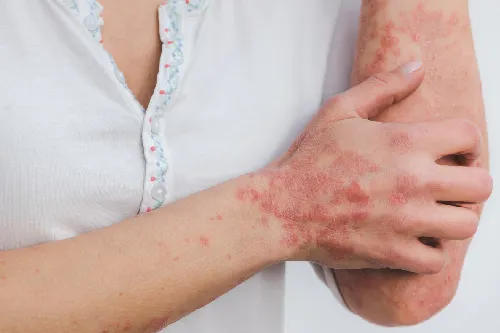
Psoriasis is an immune-mediated, inflammatory skin condition where the skin cells grow more quickly than normal and pile up to create flaky, scaly skin patches. It is a chronic skin problem involving periods of no to mild symptoms followed by moderate to severe symptoms. Common psoriasis-affected areas are eyelids, scalp, ears, hands, feet, nails, and skin folds (including genitals)
Psoriasis was once thought to be a benign, dermatological condition. However, psoriasis may cause inflammation of multiple body systems and increase the risk of comorbidities, which is why it is now referred to as psoriasis disease.
There are different types of psoriasis including Guttate Psoriasis, Plaque Psoriasis, Inverse Psoriasis, Pustular Psoriasis, Scalp Psoriasis, Nail Psoriasis, and Erythrodermic Psoriasis, each varying in appearance, location, and severity. At a particular instance or throughout one’s life, one can experience more than one form of psoriasis.
Causes of Psoriasis
One’s immune system, genetic makeup, and environment have a role in developing psoriasis. In general, there are some triggers of psoriasis which are either the psoriasis causes or the reasons for the worsening of psoriasis symptoms. These triggers cause a dysfunctional immune system and they may vary among individuals.
The psoriasis triggers are:
- Stress
- Obesity
- Smoking
- Alcohol addiction
- Hormonal changes
- Cold and dry weather conditions
- A harmed or injured skin like a bug bite, vaccination, scratches, or sunburn
- An illness like strep infection that affects the immune system\’s functioning
- Certain medications like antimalarials, beta-blockers, and lithium-based drugs
- Dermatologists advise keeping a record of a unique set of psoriasis symptoms and their triggers so that psoriasis flare-ups can be anticipated and appropriately treated.
Symptoms of Psoriasis
The most commonly noticed signs of psoriasis are:
- Dry, thick, raised skin rashes called plaques
- Skin patches are often covered with itchy, silvery-white scales.
There can be more psoriasis symptoms as what one feels and sees on their skin, nail, or scalp tends to vary. The signs vary with the psoriasis type, location, and size of the affected area.
Diagnosis of Psoriasis
Psoriasis diagnosis starts with examining the affected area of the skin, nails, or scalp for the signs of psoriasis. A dermatologist asks certain questions to the patient related to the appearing symptoms and reviews the patient’s medical records. To confirm psoriasis and rule out other possibilities for diagnostic tests for psoriasis, the psoriasis doctor may order for skin biopsy, certain blood tests, or X-rays of affected joints.
The psoriasis condition is assessed by evaluating its severity, associated symptoms, and complications.
Management of Psoriasis
To manage psoriasis, a patient needs to go through a combination of psoriasis treatments and practice self-care. Psoriasis management focuses on reducing psoriasis symptoms and improving life quality.
The self-care measures/ lifestyle tips for psoriasis include:
- Maintain a healthy weight
- Well-moisturize the skin
- Have a nutrient-loaded, balanced diet
- Cut down on alcohol intake and smoking tobacco
- Practice stress-relieving techniques to stay stress-free
- Identify and avoid psoriasis triggers like cold weather, illnesses, and certain medications.
Psoriasis Treatment Options
Psoriasis-affected people receive a personalized treatment plan from a dermatologist. Dermatologist at Celestee Skin, Hair and Laser Clinic suggests the best psoriasis treatment plan after considering the psoriasis type, location, severity, and its impact on one’s life as well as the current intake of medications.
A psoriasis treatment aims at:
- Treating nail changes
- Relieving itchy skin
- Removal of scales and clearing of other psoriasis symptoms
- Reducing joint pain (in case of psoriatic arthritis).
A psoriasis treatment plan may include any one or more of the following treatments:
- Topical treatments– For mild psoriasis, this is the only option required and for more serious psoriasis, this is considered as the first line of treatment. The dermatologist recommended topical medications/products for psoriasis such as corticosteroids, topical calcineurin inhibitors, synthetic Vitamin D, tazarotene, roflumilast cream, salicylic acid, and coal tar-based shampoos (specifically for managing scalp psoriasis).
- Systemic medications– If topicals are not working well, dermatologists may prescribe oral or injectable retinoids, cyclosporine, methotrexate, and immunomodulators (pimecrolimus and tacrolimus).
- Light therapy– Special light bulbs/lasers are used by dermatologists for treating psoriasis.
- Psoriasis latest treatment options include new topical treatments like roflu-milast, tapina-rof, and Wy-nzora; new biologics like Bime-kizumab and Risan-kizumab-rz-aa; biosimilars to adalimum-ab and inflix-imab. Many more treatment options are nearing approval.
Get Psoriasis Treatment in Hyderabad
Psoriasis is a common, inflammatory skin condition that can be mild to severe and affects different areas of the body. It can develop due to a combination of genetic and environmental factors. If one suspects psoriasis, it is advised to see a dermatologist to confirm diagnosis of psoriasis. Getting the right psoriasis treatment may be challenging. Dermatologists at Celestee Skin, Hair and Laser Clinic can help in managing psoriasis effectively and provide personalized psoriasis care.
FAQs on Psoriasis Treatment
Is Psoriasis Contagious?
No. One cannot catch psoriasis by coming in contact with someone whose skin is affected by psoriasis. Psoriasis is an immune system issue triggered by a combination of genetic and environmental factors.
Is psoriasis 100% curable?
Psoriasis symptoms can show up and then disappear in cycles throughout one’s life. Treatments only help manage these symptoms.
How Can I Manage Scalp Psoriasis?
Scalp psoriasis is manageable with a combination of lifestyle modifications, topical treatments, and some medications.
What is the biggest cause of psoriasis?
Psoriasis is said to be an autoimmune condition where healthy skin cells are targeted by the immune cells.
What is the most serious psoriasis?
Erythrodermic psoriasis is the most serious, rare type of psoriasis that can threaten one’s life. It features red, scaly, itchy, peeling, and painful skin on most of the body accompanied by fever, chills, dehydration, and infection.
Celestee Skin, Hair and Laser Clinic is a leading psoriasis treatment clinic in Hyderabad. Book your visit now to get effective treatment for psoriasis today!