An injured/wounded skin leaves an ugly scar behind. The scars develop due to abnormal healing response- either less or more fibrous tissue growth. There are two kinds of scars- depressed scars which are caused by less collagen growth and raised scars which are the result of extra collagen growth at the time of healing of the skin wound. Keloid scar is one of the scars that requires a dermatologist’s attention.
In this blog, we will learn about what is a keloid scar, types of keloid scars, and keloid scars treatment in Hyderabad, and prevention.
What is a Keloid Scar?
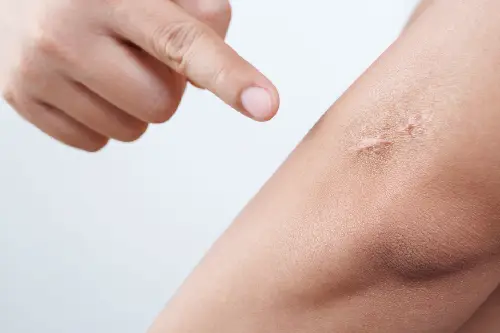
A keloid scar is one of the types of raised scar that develops gradually on the skin following an injury and doesn’t fade on its own. It is of a size larger than the wound that caused it. It may take a few months to even years to develop and may make one conscious of one’s appearance.
A keloid scar can grow anywhere on the skin, subject to an injury. Mostly, it develops on the face, neck, chest, back, shoulder, ear, and abdomen. A dermatologist can help reduce the appearance of keloid acne scars and other types of keloid scars.
Symptoms of Keloid Scars
Keloid scar symptoms are variable among every person having it. The difference can be seen in the keloid scars\’ size, shape, color, and texture.
The signs of keloid scars include:
- An itchy skin patch
- A wrinkled or smooth and shiny area of skin
- Tenderness and pain/discomfort as the scar develops
- Restricted mobility of scarred area (rarely seen, in severe cases)
- An elevated, round/oblong/oval, hard/soft scar of size bigger than the wound causing it
- A localized area that is pink, red, brown, purple, or darker color than natural skin tone or dark around the edges and lighter in the middle.
Causes of Keloid Scars: Why do keloid scars form?
Collagen is a fibrous tissue that provides support and strength to the skin. Following an injury, collagen aids in repairing/rebuilding the wounded skin. Keloid scars occur when there is excess collagen growth than needed for healing a skin injury.
Many skin injuries can result in keloid scars. The keloid scar causes include:
- Severe acne breakout
- Chickenpox
- Burns
- Scratches
- Ear piercing
- Tattoo
- Bug bite
- Shaving
- Vaccination sites
- Surgical incision sites like C-section incision wounds.
The risk factors for keloid scars include:
- Having a dark skin tone
- Being aged between 10 and 30 years
- Being of Asian, African, or Hispanic descent
- Being biologically related to someone with a keloid scar
- Facing hormonal disturbances during puberty or pregnancy
- Having keloid-prone skin due to an underlying genetic condition like Rubinstein-Taybi Syndrome.
Keloid Scar Treatment Options
Treating keloid scars focuses on the softening of the skin growth, their removal, and preventing future growth. Initially, dermatologists at Celestee Skin, Hair and Laser Clinic recommend non-surgical keloid treatments in Hyderabad but if the keloid scar is too large or mature, dermatologists recommend surgical keloid removal. The best treatment is determined based on the scar shape, size, and depth as well as individual factors like overall health and age.
Less invasive keloid scar treatment may include one or combination of the following treatment options:
- Wound care and medications: Silicone pads, pressure dressings/garments, topical corticosteroids, or 5-fluorouracil/corticosteroid injections can be used to prevent or treat fairly new keloid scars.
- Cryotherapy– It involves freezing the scar with liquid nitrogen.
- Laser for keloid– It is done to vaporize the scarred layers of the skin and heat stimulate fresh collagen growth, thereby flattening keloid scar and even relieving itchiness.
Keloid Scar Removal Techniques
A keloid scar removal is not recommended alone but in combination with corticosteroid injections to prepare the skin for surgery and then pressure, and dressings to minimize the chances of recurrence of keloid scar. Surgical removal involves making an incision around the scar edges to take out the extra tissues and sometimes closing the incision with a skin graft.
A minimally invasive approach is laser treatment which can also be combined with corticosteroid injections or pressure. In laser keloid scar removal, a dermatologist focuses intense light from a handheld laser device over the scarred skin. The heat energy from the laser light helps shrink the keloid scar, reduce its color, relieve itchiness, and may even dissolve blood vessels in the scar tissue. Different kinds of lasers used for keloid scar removal include Pulsed-dye laser, CO2 laser, Er: YAG laser, and Nd: YAG laser.
Preventing Keloid Scars
Preventing keloid scars is not possible. But for those who are at high risk of developing keloid scars, following these steps can help in avoiding keloid formation.
- Protect the skin from injury by burns, acne, piercing, bugs, and more
- Wearing safety equipment when playing contact sports or wherever necessary to avoid wounds
- Practicing proper wound care which includes sun-protecting the wounded site; keeping it moisturized; avoiding rubbing/scratching/picking of the skin; using Vitamin C serum; and wearing loose clothing.
Get Your Keloid Scars Removed Today!
Keloid scars are raised scars that develop over time after a skin injury because of excess collagen growth as the skin heals. These are not serious for health but are considered an aesthetic concern. Some people are at high risk of developing them.
Thankfully, keloid scar solutions are available to reduce the scar\’s appearance, rebuild the skin properly, and ease itchiness or other discomfort. If looking forward to treating keloids effectively, consult a licensed dermatologist and receive appropriate treatment.
FAQs on Keloid Scar Removal
Can Keloid Scars Be Completely Removed?
Keloid scars can’t be eliminated. The treatments can only help improve keloid appearance and reduce its associated symptoms.
Are Keloid Scars Dangerous?
Keloid scars do not harm physical health but they can lead to emotional distress because of their impact on appearance.
How Long Does It Take to Treat a Keloid Scar?
The time taken to clear a keloid scar depends on the chosen treatment approach and the response of the scar to the treatment.
Do Keloid Scars Come Back After Treatment?
Yes, there are chances of developing new keloid scars that may be of size bigger than previous keloid scars.
Celestee Skin, Hair and Laser Clinic has the best keloid scar removal doctors in Hyderabad. They use advanced technology for all types of scar removal. Visit now for more details!