Eczema: What It Is, Symptoms, Causes, Types & Treatment
Eczema is a medical skin concern that is common among many people worldwide. The condition can be discomforting and a source of great frustration. In this blog, we hope that one gets clarity on what eczema is, its symptoms, causes, types, and treatment. By making one understand all about eczema from basics to eczema treatment in Hyderabad, we hope one receives valuable insights and the best advice on how to manage eczema.
What is Eczema?
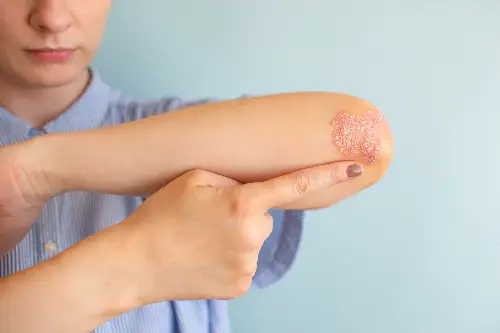
Eczema is a common, chronic skin condition featuring dry, itchy rashes that could get infected. It belongs to a group of inflammatory skin conditions called dermatitis. There are different types of eczema, each having unique triggers and symptoms. Based on the cause, type, and severity of eczema, a dermatologist can suggest suitable eczema treatment.
Symptoms of Eczema
The common eczema signs include:
- Dry and itchy skin rash
- Bumps on the skin
- Flaky, crusty, or scaly skin
- Crusting and oozing of the skin
- Skin looking and feeling raw because of scratching
- Skin inflammation symptoms include itching, swelling, leathery skin, redness, and pain.
Eczema symptoms may look different for everyone and the flare-ups may occur in different areas of the skin. They are mostly seen on the face (lips, cheeks, and forehead), hands, knees, neck, elbows, ankles, feet, and in and around ears. Less commonly, they appear on the bre-asts and vu-lva or pen-is.
What Causes Eczema?
There are various factors causing eczema. The eczema causes and eczema triggers include:
- Overactive immune system– When one comes in contact with skin irritants or allergens in the environment or food, the immune cells can assume them as foreign invaders and trigger an immune response, which causes inflammation of the skin.
- Genetic make-up/hereditary– Eczema or dermatitis can run in families. A gene mutation that disrupts skin barrier functioning or a history of asthma, hay fever, or other allergies can increase the risk of eczema.
- Environmental factors– When skin is subjected to air pollutants, smoke, harsh soaps/detergents, synthetic fabrics, dry air, and some skincare products, the skin can get irritated and result in eczema.
- Emotions– High-stress levels, anxiety, or depression may lead to frequent eczema flare-ups.
Types of Eczema
The different eczema types include:
- Atopic dermatitis– It is the most common type with onset often in childhood. It is often triggered by allergies.
- Contact dermatitis– It comprises allergic dermatitis and irritant dermatitis. The skin contact with allergens or skin irritants triggers this type.
- Neurodermatitis– This type leads to one or two intense itchy, dry skin patches on the back of the neck, legs, or arm. Its triggers include insect bites, nerve injuries, mental health issues, dry skin, and tight clothing.
- Dyshidrotic eczema– It results in an outbreak of tiny blisters on the palms of the hands, feet, soles, and fingers. The triggers include excessive sweating or irritants like metal exposure.
- Nummular eczema– This type results in a coin-shaped rash appearing. It is the result of a skin burn or insect bite.
- Seborrheic dermatitis– It causes red, flaky, itchy, dry skin on areas with hyperactive sebaceous glands.
Eczema Treatment Options
Eczema treatment aims to prevent and ease itching of the skin. It is unique to one’s skin and the reason behind eczema flare-ups. Eczema on face treatment, eczema on fingers treatment, or dry eczema treatment could include:
- Topical treatment– Gentle or sensitive moisturizer which is free of fragrance, dyes, skin irritants, oils, and lipids/ceramides should be regularly applied onto the damp skin to reduce skin’s dryness.
- Medications– Topical steroids and calcineurin inhibitors as well as oral drugs like antihistamines, immunosuppressant drugs, and corticosteroids are prescribed for reducing itchiness and inflammation.
- Phototherapy– Focussing intense light onto eczema-affected skin can help improve the skin\’s appearance.
Dermatologists can help determine the best treatment for eczema after identifying the eczema type and severity.
Eczema Causes and Treatment: Comprehensive Care
Managing eczema causes and avoiding eczema flare-ups is another approach to dealing with eczema symptoms. To focus on eczema causes and treatment at the same time, dermatologists recommend comprehensive care. A holistic eczema care includes:
- Natural, at-home remedies– These include unscented, gentle moisturizers with Vitamin E, hyaluronic acid, and aloe vera; virg-in coconut oil, apple cider vinegar, aloe vera, and colloidal oatmeal.
- Eczema diet– Eczema is linked to food allergens. It is good to have anti-inflammatory foods in your diet and avoid foods that cause allergies.
- Alternative treatments– For thick, leathery, itchy skin, acupuncture therapy can help provide relief. Some probiotics can help reduce inflammatory responses. Massage can help reduce eczema flares.
Eczema Treatment in Hyderabad
Eczema is a very common, discomforting, chronic skin condition. At worst, it can make one conscious of oneself, cause sleep disturbances, and affect one’s life quality. If one notices dry, itchy skin and other eczema signs, one must see a dermatologist as soon as possible. A dermatologist can provide the best personalized eczema care and long-term eczema management.
FAQs on Eczema Treatment
Can Eczema Be Cured?
No, Eczema has no cure. The condition may flare up and then disappear for some time. Dermatologist-recommended treatments are effective in managing eczema by reducing its flare-ups but not 100% eliminate its symptoms.
How Can I Treat Eczema on My Face?
You can try gentle moisturizers and anti-inflammatory creams or go ahead with dermatologist-prescribed medications and light therapy.
What Questions Should I Ask a Dermatologist About Eczema?
You should ask your dermatologist about the cause of your eczema, your eczema treatment options, and ways to manage your eczema symptoms.
How Do You Confirm Eczema?
To confirm you have eczema, you need to consult your dermatologist. Your dermatologist will conduct a physical exam and may run or order some additional tests like skin patch test, skin biopsy, and blood test.
What is the Root Cause of Eczema?
Eczema is mainly an outcome of a combination of genetic and environmental factors. An overactive immune system and high stress levels can also trigger eczema.
Eczema can cause discomfort and make the skin irritated and if left untreated can cause secondary skin infections. To learn more on eczema treatment in Hyderabad book a visit at Celestee Skin, Hair and Laser Clinic.