Hair fall hits women differently.
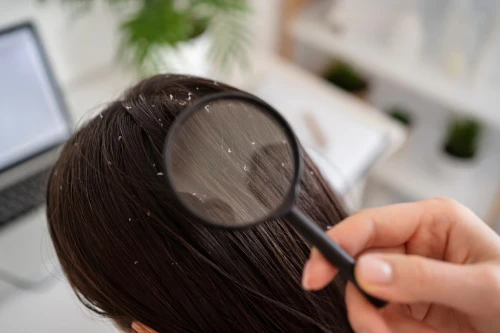
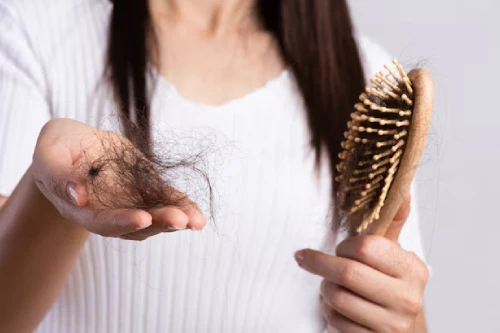
For men, thinning hair is talked about openly. For women, it’s quieter. It shows up in the shower drain, on the hairbrush, in a widening parting — and slowly starts affecting confidence in ways people rarely talk about out loud.
Most women don’t wake up wanting “hair treatments.” They just want their hair to stop falling. To feel normal again. To stop planning hairstyles around thinning spots.
That’s why when terms like GFC hair treatment start doing the rounds, the first reaction isn’t excitement — it’s hesitation.
- Is this meant for women?
- Will it work for me?
- Is it safe?
Let’s slow down and talk about it properly.
Why Hair Fall in Women Is More Complicated Than It Looks
Women don’t lose hair for just one reason. Hair fall is usually a combination of things happening together:
- Hormonal changes
- Stress and emotional fatigue
- Iron or vitamin deficiencies
- Post-pregnancy hair fall
- Thyroid imbalance
- PCOS
- Sudden weight loss
- Long-term styling damage
This is why quick fixes rarely work. Women’s hair fall needs a treatment that understands timing, hormones, and recovery — not just stimulation.
And this is where GFC enters the conversation.
What Exactly Is GFC Hair Treatment?
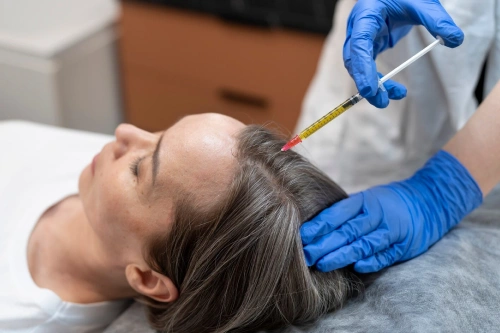
It\’s sort of like getting treated with your very own blood, in which these powerful growth factors are extracted, which are very good for weak or dormant hair follicles. These growth factors are then injected onto the scalp to encourage healthier hair growth.
Because the treatment makes use of your own biological components, when done correctly, it is considered safe and well-tolerated.
So… Is GFC Actually Suitable for Women?
Yes, and in many cases, very suitable.
GFC hair treatment works especially well for women who are experiencing:
- Diffuse thinning (overall hair density loss)
- Early-stage hair fall
- Post-stress or post-illness hair fall
- Hormonal-related thinning (once stabilised)
- Weak hair roots
It doesn’t change hormones. It supports follicles — which makes it gentle and effective when used at the right stage.
What GFC Can Help With (And What It Can’t)
GFC Can Help With:
- Strengthening existing hair
- Reducing excessive shedding
- Improving hair thickness
- Improving scalp health
- Supporting regrowth in early stages
GFC Cannot:
- Regrow hair on completely bald areas
- Replace hair transplants when follicles are dead
- Work overnight
- It’s a restorative treatment, not magic.
Why Do Women Often Respond Well to GFC?
Women usually still have active hair follicles — they’re just weak, stressed, or undernourished. GFC helps revive these follicles rather than replacing them.
Many women also prefer GFC because:
- It’s non-surgical
- It uses their own blood components
- It has minimal downtime
- It fits into busy lifestyles
For working women, mothers, and professionals, this makes a big difference.
What Does the Treatment Feel Like?
The procedure is fairly simple and quick.
A small amount of blood is drawn, processed to concentrate growth factors, and then carefully injected into the scalp. Mild discomfort or tenderness may occur, but it usually settles quickly.
Most women return to their routine the same day.
When Should Women Consider GFC Hair Treatment?
GFC works best when started early.
If you notice:
- Increased hair shedding for more than 2 months
- Thinning at the crown or parting
- Reduced hair volume
- Hair that feels weaker than before
…it may be time to explore medical support instead of waiting.
At Celestee Skin, Laser and Hair Clinic in Hyderabad, hair fall treatment begins with proper diagnosis — checking scalp condition, pattern of hair loss, and underlying triggers before recommending GFC or any advanced therapy.
That personalised approach is what ensures results are realistic and safe.
Is GFC Safe for Women?
When done under dermatological supervision — yes.
Because the treatment uses your own blood-derived growth factors, the risk of allergy or reaction is extremely low. However, proper technique, sterile environment, and correct concentration matter a lot.
This is why GFC should always be performed in a certified clinic — not as a casual cosmetic procedure.
Can GFC Be Combined With Other Treatments?
Absolutely.
In fact, women often see better results when GFC is supported with:
- Nutritional correction
- Scalp treatments
- Medical hair serums
- Lifestyle guidance
Hair regrowth is never about one step — it’s about consistency.
The Emotional Side Women Rarely Talk About
Hair loss doesn’t just affect appearance. It affects how women feel about themselves.
Many stop tying their hair. Some avoid photographs. Others silently worry every time they wash their hair.
Choosing a treatment like GFC isn’t about vanity. It is not for style even. It is actually about regaining control and confidence.
And that matters.
Final Thoughts: Not Every Woman Needs GFC — But Many Benefit From It
GFC hair treatment isn’t for everyone, and that’s okay. But for women experiencing early to moderate hair thinning, it can be a powerful, supportive option — when chosen thoughtfully and done professionally.
At Celestee Clinic, the goal is never to push treatments, but to guide women toward what their hair actually needs — at that moment in life.
Because healthy hair isn’t about perfection.
It’s about strength, patience, and giving your body the support it’s asking for.
And sometimes, that small step makes all the difference.