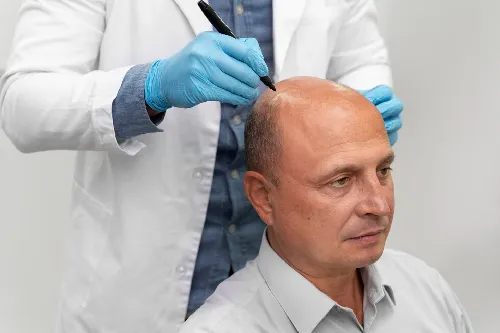
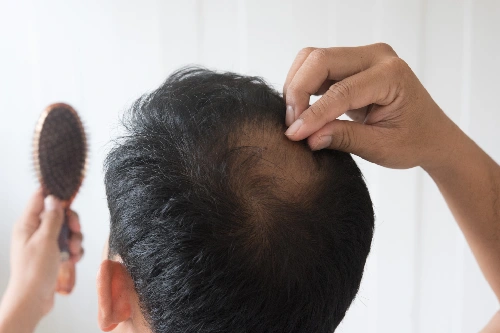
Got spots or patches of extensive thinning or absent hair for the past many years? Hair transplant will most likely be the best, long-term solution to address your hair loss concern!
This blog post details hair loss and hair restoration treatment. It includes types and causes of hair loss, how hair transplant works in fixing hair loss, hair transplant candidates, and why hair transplant is best when compared with alternative solutions. The blog insights are shared by hair transplant doctor in Hyderabad at Celestee Skin, Hair and Laser Clinic.
Common Causes of Hair Loss
- Genetics and Aging
- Physical or emotional stress
- Fungal, bacterial, or yeast infections of the scalp
- Autoimmune conditions like lupus and alopecia areata
- Deficiencies of protein, iron, and vitamin B12
- Tight hairstyles and chemical-based hair treatments
- Hormonal changes at the time of pregnancy, childbirth, menopause, or because of thyroid issues
- Certain medications like those used to treat cancer, depression, arthritis, gout, heart problems, and hypertension.
When Hair Loss Becomes a Concern?
Hair loss is a part of the normal hair growth cycle, only if 50-100 hair strands are shedding daily and the fallen hair strands are replaced with new hair eventually. It becomes a distressing concern, if the hair shedding is noticeable, sudden, persistent, and leading to baldness, especially if it is accompanied by itching, inflammation, or redness.
Most Common Types of Hair Loss
- Androgenetic Alopecia– It is the most common type, often referred to as pattern baldness. It is caused by genetic predisposition and D-HT hormone. Men with pattern baldness typically start losing hair from the hairline, temples, and then the top of their head. Women experience hair thinning starting from the top of the head.
- Alopecia Areata– It is an autoimmune condition, characterized by often temporary loss of hair in circular patches.
- Telogen Effluvium– It is a temporary form of hair loss caused by the premature entry of a large number of hair follicles in the resting phase of the hair growth cycle, resulting in prompt and excessive hair shedding. Certain medications, stress, and hormonal changes can all act as triggers.
- Scarring Alopecia– It is a permanent hair loss resulting from infections, inflammatory skin conditions, or other skin disorders that damage the hair follicles and make them incapable of growing hair.
How a Hair Transplant Works?
Hair transplant can be simply explained as the shifting of hair follicles from the area with healthy, dense hair growth to areas experiencing hair loss. The areas from which hair follicles are taken are called the donor sites and those on which hair follicles are implanted are called the recipient sites. For hair transplantation, the donor area is the back or side area of the scalp, which contains D-HT hormone-resistant hair and they help avoid future hair loss and offer permanent results.
There are two techniques by which hair transplant can be done: Follicular Unit Transplant/Strip Method and Follicular Unit Extraction. Both vary in how the hair follicles are harvested. In the traditional FUT approach, a thin skin strip bearing hair is excised from the back of the scalp by making a linear, long cut and dissected under the microscope to isolate the donor hair follicles.
Whereas, in the advanced FUE approach, the hair follicles are extracted using a micro-punch device. The extracted hair follicles are kept viable until it is time to place them over recipient areas. At the recipient area, micro incisions at the correct angle and depth are created and then the hair grafts are implanted one by one to mimic natural hair growth. Modern hair transplants involve direct hair implantation using a special implanter tool.
Benefits of Hair Transplant Surgery
Hair transplant has many merits. The key ones include:
- Natural-looking outcome
- Improved appearance and boosted self-esteem
- A safe procedure
- Faster recovery and minimal scarring (if the approach is modern)
- A permanent, low-maintenance solution for most types of hair loss.
Is It a Permanent Solution?
Following hair transplant surgery, the transplant area takes time to heal. It’s expected to experience a shock hair loss in the first 3 months, where the transplanted hair falls out. The healing is complete in 6 to 12 months and by that time the transplanted follicles grow hair naturally and all the bald or thinning sections get filled with healthy hair. The new hair follows a normal hair growth cycle throughout one’s lifetime.
Who Is the Right Candidate?
A good candidate for hair transplant is generally the one who:
- Has stable hair loss
- Has sufficient donor hair
- Has good scalp skin laxity and health
- Is not a substance abuser
- Is healthy and aged between late 20’s and early 30’s
- Has realistic expectations about the surgery outcome and a positive outlook.
A consultation with a hair transplant surgeon is key to determining the suitability for a hair transplant.
Other Treatments vs. Transplant
Hair transplant in Hyderabad at Celestee Skin, Hair and Laser Clinic stands above the rest of the hair loss treatments. It is different from other treatments as it offers the following advantages:
- A permanent solution
- Realistic results
- Low maintenance
- Cost-effectiveness in the long run
- Safety and effectiveness for advanced hair loss.
The best hair loss treatment is decided by a hair loss doctor after learning about the patient\’s needs and preferences during the consultation.
FAQs on Hair Loss
What is the main cause of hair loss in men?
Hereditary hair loss with advancing age is most commonly seen in men. Hair transplant can best restore the lost natural hair.
Can stress cause permanent hair loss?
That’s not likely. Stress-induced hair loss is temporary and reversible by managing stress and undergoing effective hair growth treatment,
Will hair grow back naturally without surgery?
Only in some cases, where the hair loss was temporary due to nutrient deficiency, stress, or certain medical conditions by just addressing the underlying cause of hair loss.
Are transplants effective for all types of hair loss?
Hair transplants may not suit every person suffering from hair loss, especially the ones having inflammation/scarring, or medication-induced hair loss. Consult with a hair transplant expert to know whether your hair loss is treatable with hair transplant.
Can a transplant fix patchy baldness?
Yes, if it’s the outcome of genetics, natural aging, or injury to the hair follicles.
What’s the success rate of hair transplants?
Generally, hair transplants have a high success rate, around 80% or more in the case of Follicular Unit Transplants and above 90% for Follicular Unit Extraction or Direct Hair Implantation. The success rate is influenced by the patient’s extent of hair loss, hair type, age, and following of aftercare along with the surgeon’s expertise/experience.
Hair transplant in Hyderabad is an excellent option to manage and overcome baldness concern. Visit Celestee Skin, Hair and Laser Clinic to get this procedure benefits.