Experiencing dark skin spots or patches on your facial skin, hands, shoulder, or neck? It’s due to excess melanin deposits that cause dark pigmentation patches and affect one’s look and skin aesthetics.
Read on to find out what is melanin and how it’s related to skin darkening, read . This blog provides detailed information on melanin in the skin, causes of excess melanin, tips for reducing melanin, and skin care solutions and skin pigmentation treatment in Hyderabad caused by melanin-related concerns.
What is Melanin?
Melanin is a colored pigment, a complex polymer derived from the amino acid tyrosine. It decides the natural color of human and animal skin, eyes, and hair.
Understanding Melanin in Skin
Melanin in the skin is synthesized by specialized skin cells called melanocytes- present in the basal layer of the epidermis. It exists in two forms: Eumelanin (black and brown pigment) and Pheomelanin (reddish pigment). The amount and type of melanin present in the skin determines its natural color. Eumelanin provides protection against sun damage while pheomelanin doesn’t.
Generally, if there is less melanin deposit, the area of the skin appears lighter than surrounding normal skin and if the melanin is in excess, the area of the skin appears darker. The pigmentation irregularity caused by low melanin production is known as hypopigmentation and high melanin production is known as hyperpigmentation. The focus of this blog is on hyperpigmentation.
Causes of Excess Melanin
Hyperpigmentation or dark spots caused by excess melanin production have many potential contributing factors. Depending on the cause and the location of the pigmentation, there are different types of hyperpigmentation.
Given below are the major causes of excess melanin:
- Over or Frequent Sun exposure– When sunlight falls on the skin, the melanocytes get triggered to produce more eumelanin as a natural response for UV protection. This leads to sun spots and freckles.
- Fluctuating hormones– Changes in hormones can happen during pregnancy, menopause, or other times. These hormonal imbalances can stimulate the melanocytes and lead to hyperpigmentation. Melasma is one such example.
- Genetic predisposition– Individuals inherit their skin color from their parents. The amount and type of melanin synthesized by melanocytes depends on a person’s inherited traits. Thus, excess melanin can run in the family.
- Skin inflammation or injury– Acne breakouts, a skin cut, a skin burn, or skin conditions like eczema can lead to inflamed skin to which the body may naturally respond by producing excess melanin. This leads to post-inflammatory hyperpigmentation.
- Certain medical conditions/medicines– Medical conditions like Addison’s disease or hemochromatosis and medicines like anti-malarial/tricyclic antidepressants can cause hyperpigmentation.
- Others– Advancing age, vitamin deficiencies, or intake of foods that increase melanin synthesis all have a role in hyperpigmentation.
Melanin on the Face: Common Issues
Common facial pigmentation caused by excess melanin on the face includes:
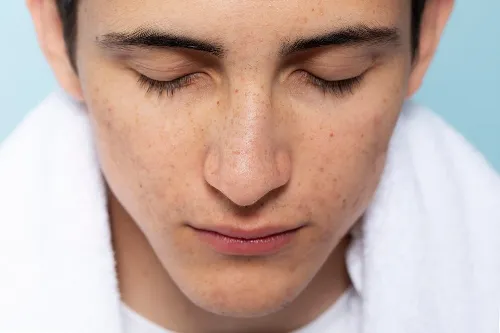
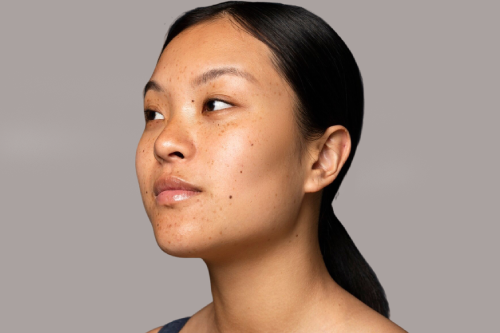
- Dark spots/sunspots/freckles– Hyperpigmentation caused by sun exposure.
- Melasma– Brown patches on the cheeks, forehead, and upper lips due to fluctuating hormones.
- Post-inflammatory hyperpigmentation– The skin darkening following inflammation/injury.
How Excess Melanin Affects Your Skin?
Melanin in excess can lead to hyperpigmentation– where certain parts of the skin appear darker than the surrounding, normal skin. It manifests in various forms, depending on the cause. There occur skin tone changes– an uneven skin tone that looks aesthetically unappealing.
Tips to Maintain Healthy Skin with Balanced Melanin Production
For reducing excess melanin and achieving evenly toned skin, here are some tips to follow:
- Focus on proper UV protection– Daily use sunscreen with SPF 30 or higher and reapply it, even if it\’s cloudy; seek shade during peak sun hours; wear sun-protective clothing and sunglasses; and avoid tanning beds.
- Practice proper skin care– Use gentle cleanser; regularly exfoliate the skin; keep skin well moisturized with the right moisturizer; and consider using skin brightening/lightening serums.
- Maintain a healthy lifestyle– Have a well-balanced diet; drink adequate water; manage stress; avoid smoking and alcohol; and consider an antioxidant-rich diet.
Skin Care Solutions for Melanin-Related Issues
If you want melanin reduction, consult a skin care professional for personalized advice on skin care for melanin pigmentation and the best treatment plan.
Professional options for treating dark spots or different types of hyperpigmentation include:
- Chemical peels– Depending on the depth of melanin excess, the dermatologist chooses an acid solution. A chemical peel is applied onto the dark spots/patches to remove the pigmented layers of the skin and encourage cell turnover, thereby fading the pigmentation.
- Laser treatments– Laser-generated heat is used to destroy the extra melanin in the skin while promoting skin cell renewal, thereby making the skin clearer and evenly toned.
- Microdermabrasion– In this treatment, the pigmented skin is mechanically exfoliated using a tool with an abrasive surface.
- Microneedling– In this treatment, microneedles are utilized to create multiple micro punctures in the pigmented skin to stimulate collagen synthesis and encourage skin renewal, thereby fading dark spots/patches.
Get Your Melanin Issues Managed Today!
Although melanin pigment is essential for imparting skin its natural color and UV protection, its over-production becomes an aesthetic skin concern. Sun exposure, hormonal fluctuations, certain drugs/medical conditions, and skin injury/inflammation are the potential causes of excess melanin and the appearance of dark spots/patches.
With a proper skincare routine, a healthy lifestyle, and limited sun exposure, melanin management is possible. Consult with a dermatologist or pigmentation treatment doctor in Hyderabad at Celestee Skin, Hair and Laser Clinic to get guidance on proper skincare routine, tips on how to balance melanin production, and receive a personalized professional treatment plan.
FAQs on Melanin Treatment
Can Melanin Be Reduced?
Melanin pigment can’t be eliminated from the skin. Its production and extra appearance can be managed through dermatologist treatments, skincare, and preventive measures.
Which Vitamin Reduces Melanin?
Vitamin C can help inhibit melanin production by downregulating the tyrosinase enzyme activity.
Is Excess Melanin Harmful to Your Skin?
The presence of melanin in balance is essential for UV protection. Excessive melanin production is not inherently harmful but it can lead to skin darkening which is an aesthetic concern.
How Can I Prevent Melanin Overproduction?
Prioritize UV protection by using sunscreen of SPF 30 and above, wearing sun-protective clothing, avoiding tanning beds, and avoiding stepping out in peak hours of the sun for prolonged time. Besides, drink plenty of water, have an antioxidant-rich diet, say no to foods that increase melanin, have healthy lifestyle habits, and practice a proper skincare regime.
For details on melanin imbalance and pigmentation treatment inHyderabad, book a visit with the skin experts at Celestee Skin, Hair and Laser Clinic.