
Have you got dark, discolored patches on your face? You might be suffering from hyperpigmentation like melasma. Luckily, these patches can be eradicated and you can achieve an even, radiant skin complexion with dermatologist-recommended management strategies.
Continue reading to have a deep understanding of melasma. This blog details what is melasma, what are its potential causes, how to recognize melasma pigmentation, how to get it treated, and how to avoid further discoloration.
What is Melasma?
Melasma is a common skin pigmentation concern, primarily affecting the facial skin. Melasma on the face of pregnant women is referred to as chloasma- the pregnancy mask. Melasma skin usually appears during summer in sun-exposed areas of the skin and fades out in winter. It’s completely harmless. However, brown, tan, or blue-grey discoloration of the skin is a source of embarrassment and distress for most affected individuals.
Causes of Melasma
Dermatologists are still unable to pinpoint the melasma pigmentation cause. In general, researchers believe that the malfunctioning or the hyperactivity of melanocytes (the color-pigment-making cells) can cause excess melanin production in localized areas of the skin.
The potential melasma causes or triggers include:
- Hormonal shift at the time of pregnancy
- Sun exposure
- Intake of oral contraceptives or hormone replacement medicine
- Use of certain skincare products with ingredients that are harsh on the skin
- Intake of certain medications like anti-seizure drugs, blood pressure medications, and photosensitive medications.
The risk factors of melasma include:
- Frequent UV exposure
- Having a light brown or dark skin tone
- Being a female aged between 20 and 40 years, especially pregnant
- Genetic predisposition- Being a blood relative to anyone who had melasma.
Knowing about different melasma reasons can help one avoid the condition and even deal with it appropriately.
Symptoms of Melasma
Here are the different signs of melasma:
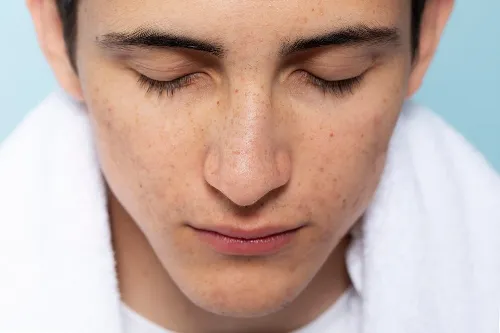
- Bilateral, light-to-dark brown macules/patches with irregular borders commonly located on the upper lips, cheeks, forehead, and nose bridge of the face
- Dark, flat patches of the skin, which may be red or inflamed
- Discolored skin patches are distributed in areas exposed to the sunlight, like forearms, shoulders, and upper arms.
Generally, melasma symptoms are easily noticed with the nak-ed eye. There is no physical discomfort. Dermatologists can spot the melasma skin changes with just a visual examination of the patient’s skin. To know the depth/pattern of the melasma-affected skin or the type of melasma (epidermal/dermal/mixed), they use Wood’s lamp and dermatoscope.
Treatment Options for Melasma
In some cases, melasma fades away on its own, while for others, proper treatment is needed if the discoloration is bothersome. The following treatments by Celestee Skin, Hair and Laser Clinic help to lighten the pigmented spots and patches.
The best melasma treatments in Hyderabad are:
- Topical skin lightening products– Dermatologists recommend products containing hydro-quinone (tyro-sinase inhi-bitor), corticosteroids, tretin-oin, and/or kojic acid/azel-aic acid to help lighten the melasma-affected skin.
- Chemical peeling– A specific acid solution, as per the depth of melasma, is chosen by a dermatologist and applied over the affected skin. The acid strips away the top skin layers, causes a controlled skin injury, and boosts collagen, thus lightening the dark discoloration.
- Microdermabrasion– A dermatologist uses a handheld, skin resurfacing tool that mechanically exfoliates the skin and renews overall skin tone and texture.
- Laser treatment– Certain laser systems like Q-switched Nd: YAG help in improving skin tone and texture. The heat from the laser stimulates collagen remodeling, increases cell turnover, and breaks down extra melanin deposits, thereby treating melasma.
Other general measures to manage melasma include sun protection, avoiding medications/hormone replacement/contraceptive drugs, and doing cosmetic camouflage.
Prevention of Melasma
Avoiding melasma is possible. Here are the dermatologist-recommended melasma prevention tips:
- Proper sun protection– For the prevention of melasma, protecting the skin from the sun’s harmful UV rays is first and foremost. One must wear sunscreen of a minimum of 30 above SPF when going outdoors in the daytime; avoid stepping out in peak hours of the sun (unless necessary); cover the body and face properly when outside; and even avoid the use of sun lamps or tanning beds.
- Use of right skin care products– Go for skincare products that are gentle, unscented, and have nourishing, cell turnover-increasing properties. Avoid products that have skin irritants or abrasive/harsh ingredients.
- Hormonal management– If a woman must consider hormone-excluding birth control options that do not cause or exacerbate melasma. Keeping hormones in balance can prevent melasma.
- Healthy routine– Adopt a healthy lifestyle which includes keeping skin hydrated, having a nutrient-rich, balanced diet, and managing stress. Also, include Vitamin D supplements intake as avoiding sunlight can cause Vitamin D deficiency.
When to See a Dermatologist
One should consult a dermatologist for melasma or melasma specialist after noticing the skin discoloration or uneven skin tone in sun-exposed areas of the skin. Melasma signs may overlap with the symptoms of other skin conditions so a definite diagnosis from a dermatologist is very important.
A dermatologist can provide the required professional help for melasma, including prompt, accurate diagnosis and planning as well as executing a customized treatment plan. If one wants to learn how to avoid melasma and even cope with it, then also one can see a dermatologist.
FAQs on Melasma Treatment
Can Melasma Go Away on Its Own?
Yes, there are chances of melasma naturally resolving when melasma is caused by pregnancy or certain medications.
Is Melasma Permanent?
Melasma is a chronic skin condition, but not permanent. It can fade naturally or with treatment, but often it reoccurs.
Can Men Get Melasma?
Yes. Although melasma mainly affects pregnant women, men, especially dark-skinned men, can also suffer from such hyperpigmentation disorder.
How Can I Prevent Melasma During Pregnancy?
You can avoid developing melasma on your skin during a childbearing period with proper sun protection and maintenance of a healthy lifestyle.
Celestee Skin, Hair and Laser Clinic is a leading pigmentation and melasma treatment clinic in Hyderabad. Book a visit with the experts for more details!