
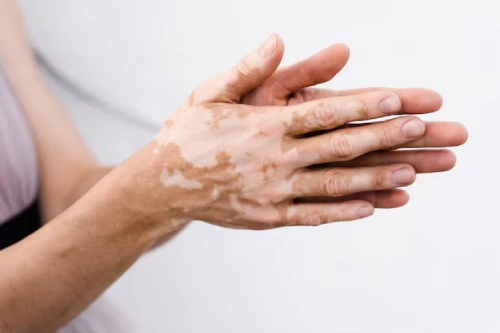
For many people, the first sign of vitiligo begins with a small light patch on the skin. It may appear on the hands, around the lips, near the eyes, or sometimes on the elbows or knees. At first it may look like simple discoloration or a patch of lighter skin. But over time, the area becomes more noticeable, and that’s when most people start asking questions.
- “Why is this happening?”
- “Will it spread?”
- “Can the skin return to normal?”
Vitiligo is not a new condition, but in recent years more people in India seem to be noticing it. Dermatology clinics across the country are seeing an increase in patients who come in with early signs of depigmentation.
Although vitiligo, at the time of its onset, is quite disconcerting, it is important to note that one aspect of the condition is clear and certain, and that is the fact that the condition is not communicable and that it is, in fact, manageable.
The sooner the condition is tackled, the better the chances of controlling the spread of the condition and the sooner the pigmentation is restored.
What Exactly Is Vitiligo?
Vitiligo is a skin condition in which the pigment-producing cells in the skin, called melanocytes, stop functioning or are destroyed. When these cells stop producing melanin, the affected areas lose their natural color and appear white or lighter than the surrounding skin.
These patches can appear anywhere on the body, including:
- Face
- Hands
- Arms
- Feet
- Lips
- Around the eyes
- Genital area
In some cases the patches remain small and stable, while in others they may slowly expand.
The pattern and progression of vitiligo vary from person to person, which is why professional evaluation is important.
Why Are More People in India Experiencing Vitiligo?
There is no single cause behind vitiligo. Instead, it usually develops due to a combination of factors.
In India, several environmental and lifestyle changes may be contributing to the rising number of cases.
1. Strong Sun Exposure
In India, it is generally very sunny for most of the year. Prolonged exposure to UV rays can be detrimental for the skin, which can sometimes even trigger or worsen pigment-related problems.
In people who have a genetic predisposition for vitiligo, it has been known that areas of vitiligo can appear due to exposure to the sun.
2. Environmental Pollution
Urban pollution has increased significantly in many Indian cities. Pollutants in the air can create oxidative stress in the body, which may affect skin cells, including melanocytes.
Over time, this stress may contribute to pigment disorders.
3. Stress and Lifestyle Changes
Chronic stress has become a common part of modern life. Many dermatologists believe that stress can influence immune responses in the body.
Since vitiligo is linked to the immune system, stress may act as a trigger in some individuals.
4. Autoimmune Factors
Vitiligo is often associated with autoimmune activity. This means the body’s immune system mistakenly attacks its own pigment cells.
People who have other autoimmune conditions may sometimes develop vitiligo as well.
Can Vitiligo Spread?
One of the most common concerns people have is whether vitiligo will continue spreading.
The answer varies. In some individuals, the patches remain stable for years. In others, they may slowly expand or appear in new areas.
The objective of treatment is normally to:
- Control the progression of the condition
- Prevent new patches from developing
- Restore the pigmentation wherever possible
Early treatment can play a very important role in slowing down the spread.
How to Prevent the Spread of Vitiligo
Vitiligo cannot always be completely prevented, but there are certain measures that can help prevent the spread of the condition.
Protect the Skin From the Sun
The use of sunscreen is very important. The areas affected by vitiligo are very sensitive to the sun and have a high probability of burning easily.
Protecting the affected and unaffected skin from the sun is very important.
Avoid Skin Trauma
The skin, if injured, has the potential to trigger new lesions in people with vitiligo. This is known as the Koebner’s phenomenon.
Taking care of the skin and avoiding unnecessary trauma can help reduce this risk.
Seek Early Treatment
In fact, many people delay seeking medical care for their condition, thinking that the patches are small or harmless. However, it is very important to get medical care early.
Clinics like Celestee Skin and Hair Clinic will examine the condition of the patient carefully and start developing treatment plans that will control the condition early.
Treatments That Can Help Restore Skin Pigmentation
Today, there are many treatments for vitiligo that can help control the condition and even restore skin pigmentation.
The treatment plan usually depends on the size, location, and activity of the patches.
Phototherapy
One of the most commonly used treatments for vitiligo is phototherapy.
In phototherapy, the patient is exposed to certain wavelengths of ultraviolet light that stimulate melanocytes and induce pigment formation.
After several sessions of phototherapy, many patients start showing signs of repigmentation in the affected area.
Excimer Laser Treatment
For example, excimer laser treatment is sometimes employed for the treatment of less extensive and localized vitiligo.
The laser works by directing specific light rays to the affected, discolored spot, which helps to activate the pigment cells in the specific spot.
Because the treatment is precise, it can be very effective for certain patches on the face, hands, or neck.
Medical Treatments
Dermatologists may also prescribe specialized topical medications that help regulate immune activity in the skin and support pigment recovery.
These treatments are usually combined with other therapies to improve results.
Advanced Dermatology Approaches
In some instances, newer dermatological procedures may be recommended to promote repigmentation.
Clinics offering advanced treatment for various skin problems, such as Celestee Skin and Hair Clinic, often combine different methods depending on the level of activity.
Personalized treatment generally yields better results than the administration of a single treatment.
Emotional Support Is Also Important
It’s not just the skin that’s impacted by vitiligo; confidence and emotions can also be impacted.
Because of their visibility, these patches can also make a person feel self-conscious about what others think of them.
It’s also important to remember that vitiligo is a medical condition, and many people worldwide are able to lead confident, healthy lives despite having it.
It’s possible to improve one’s appearance as well as confidence with the proper support and treatment.
The Takeaway
Vitiligo is a complex skin condition, yet it is not something people have to deal with without any options. There are a number of treatment options available today that can assist people in managing the further development of the condition and even repigment the skin.
Proper diagnosis, skin care, and treatment are very important in managing the condition of vitiligo.
When you see white patches on your skin, it is always best to have them checked as soon as possible. There are a number of people who have been able to manage the condition with the right kind of care and advice.