
The Picofy Picosecond Laser Machine: Advanced Ultra-Short Pulse Technology
Discover the medical engineering and laser physics powering the Picofy Picosecond Laser Workstation. Engineered with an ultra-short 750-picosecond pulse duration, dual wavelengths (1064nm and 532nm), and specialized Fractional Micro-Lens Array (MLA) optics, this advanced device delivers non-thermal photoacoustic energy to shatter pigment without burning melanin-rich Indian skin. Operated exclusively by certified laser dermatologists at Celestee Clinics in Hyderabad.
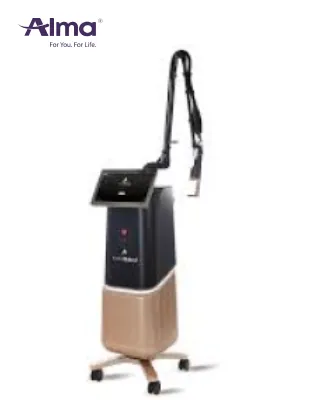
Engineering Architecture: The Photoacoustic Advantage
The Picofy Picosecond Laser Workstation represents a quantum leap in laser dermatology engineering. Unlike conventional nanosecond Q-switched systems that rely primarily on photothermal heat—which can trigger thermal burns, melanin rebound, and Post-Inflammatory Hyperpigmentation (PIH) in Indian skin (Fitzpatrick III to V)—Picofy operates on pure photoacoustic pressure wave physics.
By discharging immense peak power within an ultra-short pulse duration of 750 picoseconds (trillionths of a second), laser energy delivers high-impact mechanical stress waves directly to targeted chromophores. Melanin granules and exogenous tattoo pigments are instantly shattered into ultra-fine dust-like particles. Because the laser pulse is shorter than the thermal relaxation time of melanin, zero thermal damage leaks into surrounding skin tissue.
Precision Wavelengths & Handpiece Modules of Picofy
The Picofy platform integrates dual laser media and multi-focal handpieces to address diverse dermatological indications:
01. 1064nm Nd:YAG Picosecond Dermal Core
The primary 1064nm wavelength bypasses surface epidermal melanin, penetrating deeply into the reticular dermis to target deep-seated melasma, stubborn post-acne marks (PIH), nevus of Ota, and black/dark tattoo inks with maximal physician safety and zero surface crusting.
02. 532nm KTP Frequency-Doubled Epidermal Module
Frequency-doubled 532nm energy delivers ultra-precise photoacoustic pulses to superficial epidermal pigmented lesions, such as solar lentigines, age spots, and red/warm tattoo dyes, facilitating rapid micro-clearance through natural epidermal desquamation.
03. Fractional Micro-Lens Array (MLA) Diffractive Focus Optics
The specialized MLA handpiece concentrates picosecond energy into a honeycomb matrix of high-intensity micro-beams. This creates localized Laser-Induced Optical Breakdown (LIOB) in the upper dermis—forming microscopic plasma bubbles that trigger neocollagenesis and scar remodeling while keeping the epidermis completely unbroken.
04. 2mm–10mm Adjustable Zoom Collimated Handpiece
An articulated 7-joint optical arm delivers a homogenous flat-top beam profile across spot sizes from 2mm to 10mm. This eliminates central hot spots that cause burns in older lasers, ensuring perfectly uniform energy distribution across large facial surfaces.
Why the Picofy Machine Excels Over Older Nanosecond Lasers
The Picofy workstation solves the fundamental limitation of older aesthetic lasers: excessive thermal damage to surrounding tissue. Key engineering advantages include:
- Ultra-short 750ps pulse duration delivering pure acoustic shockwaves instead of heat.
- Microscopic pigment pulverization allowing faster immune lymphatic clearance.
- Over 80% reduction in thermal energy diffusion to surrounding melanocytes.
- Virtually eliminates post-inflammatory hyperpigmentation (PIH) risk on Indian skin (Fitzpatrick III–V).
- Non-ablative fractional MLA mode stimulates collagen without breaking the epidermal surface.
- Zero downtime—patients experience only mild transient erythema lasting 1 to 2 hours.
Technical Comparison: Picosecond vs. Nanosecond Engineering
Understanding the clinical difference between laser generations:
Picofy Picosecond Laser (750ps)
Mechanism: Photoacoustic Pressure Wave
Pigment Breakdown: Ultra-fine dust particles
Thermal Impact: Negligible heat transfer
PIH Risk (Indian Skin): Extremely low
Average Sessions: 3 to 6 sessions for clearance
Conventional Q-Switched Lasers (10–50ns)
Mechanism: Photothermal (Heat-driven)
Pigment Breakdown: Coarse pebble-sized fragments
Thermal Impact: Significant heat diffusion to tissue
PIH Risk (Indian Skin): Moderate to high
Average Sessions: 8 to 12+ sessions required
Device Safety, Calibration & Operator Qualifications
Clinical Certification & Safety: The Picofy Picosecond Laser system is internationally certified (CE Marked and US FDA-cleared) for aesthetic dermatological treatments including benign pigmented lesions, tattoo removal, and acne scar revision. The workstation incorporates real-time energy self-calibration sensors that monitor pulse stability on every single shot, preventing fluence spikes or uneven treatment.
Exclusively Physician-Operated: At Celestee Clinics, the Picofy workstation is never operated by non-medical technicians. Every laser treatment is personally performed by our senior aesthetic dermatologists who tailor the spot size, pulse energy (mJ), and frequency (Hz) specifically to your individual dermal tolerance.
Key indications treated on the Picofy workstation:
- Deep dermal and mixed epidermal melasma.
- Post-inflammatory hyperpigmentation (PIH) and persistent dark spots.
- Rolling and boxcar atrophic acne scars.
- Enlarged pores and coarse epidermal texture.
- Solar lentigines (sun spots) and age-related liver spots.
- Superficial freckles and uneven sun-tan boundaries.
- Black, blue, red, green, and multi-color decorative tattoos.
- Congested skin requiring carbon photoacoustic laser toning.
Clinical Protocol on the Picofy Workstation
Our senior dermatologists adhere to rigorous medical standards during every Picofy session:
- Pre-Treatment Calibration: The doctor performs a digital test pulse to verify laser beam uniformity and sets exact fluence based on skin phototype.
- Eye Protection & Preparation: Medical-grade laser safety eye shields are fitted, and skin is cleansed with an alcohol-free prep solution.
- Precision Picosecond Delivery: The doctor methodically sweeps the handpiece across target zones with uniform 20% spot overlap for thorough coverage.
- Post-Laser Cryo-Calming: Immediate application of cooling post-laser matrix and broad-spectrum mineral SPF 50+ to maintain skin barrier integrity.
Consult With Our Senior Laser Specialists
Advanced laser procedures exclusively administered by certified dermatologists.
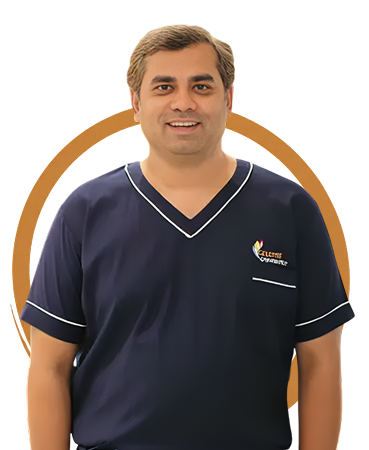
Dr. Raj Kirit E.P.
Senior Aesthetic Dermatologist and Laser Surgeon with over 15 years of clinical expertise in advanced picosecond laser applications, scar revision, and refractory pigment management.

Dr. Sridevi. P.
Renowned consultant dermatologist specializing in medical pigmentation, melasma protocols, and non-ablative laser facial rejuvenation for Indian skin types.
What is the recovery period, and what post-care is advised?
Thanks to the photoacoustic mechanism of the Picofy machine, recovery is instantaneous. Most patients experience mild skin redness resembling a light exercise flush that fades completely within 1 to 2 hours.
Follow these essential post-procedure instructions to protect newly clarified skin:
- Apply broad-spectrum mineral SPF 50+ sunscreen every 3 hours daily.
- Avoid direct UV sun exposure and wear sunglasses or a protective hat outdoors.
- Cleanse with cool or lukewarm water and a gentle soap-free cleanser for 48 hours.
- Avoid intense cardiovascular workouts, heavy sweating, saunas, and steam rooms for 24 hours.
- Pause exfoliating chemical acids (glycolic, salicylic) and retinoids for 4 to 5 days.
- Apply a soothing, ceramide-rich barrier moisturizer to keep the skin matrix supple.
Frequently Asked Questions: Picofy Machine
Technical and clinical answers regarding our advanced picosecond laser platform in Hyderabad.
