
Targeted Hair Loss Treatments
Comprehensive medical diagnosis, advanced regenerative biotherapies, and surgical follicular restoration for genetic thinning and pattern hair loss in Hyderabad.
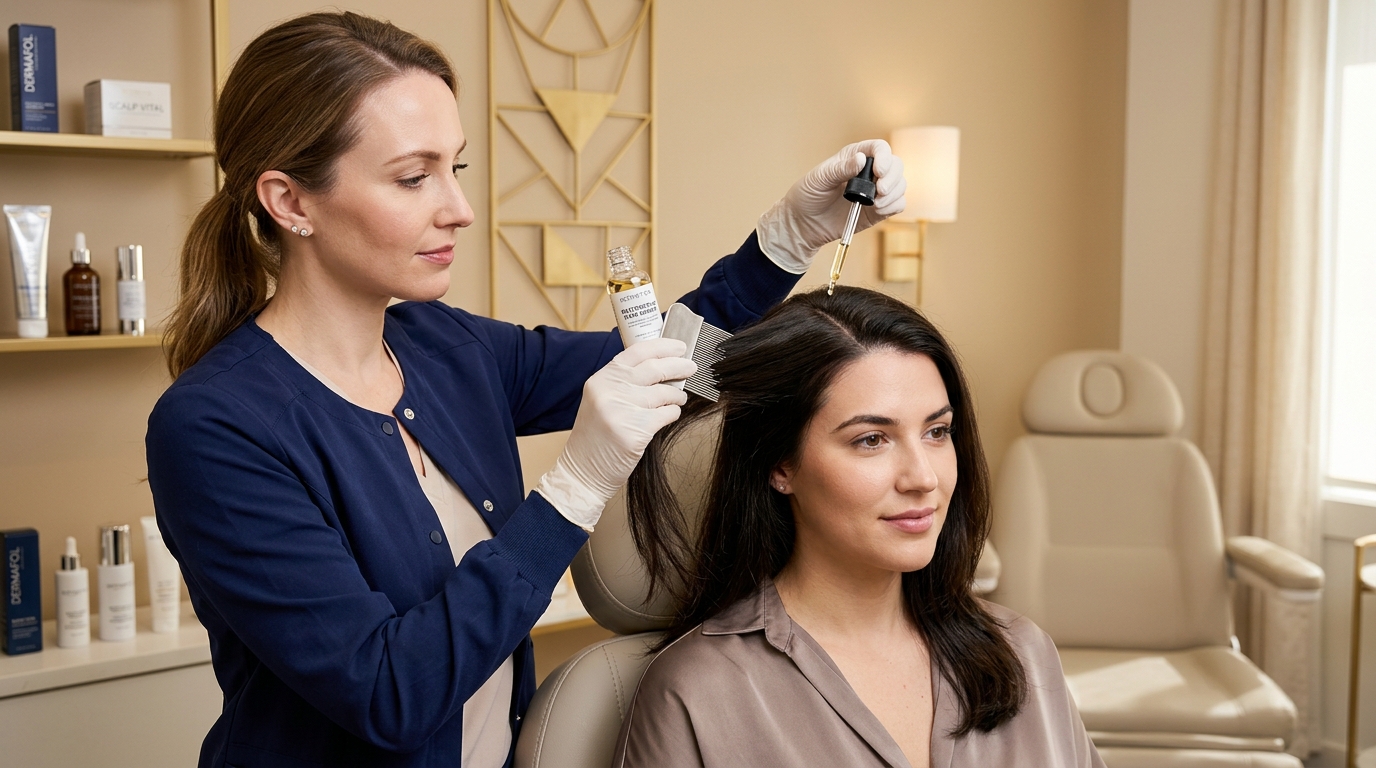
Hair Loss Medical Management
Precision clinical protocols targeting 5-alpha reductase DHT blockade, follicle miniaturization reversal, and metabolic scalp support for early androgenetic alopecia.
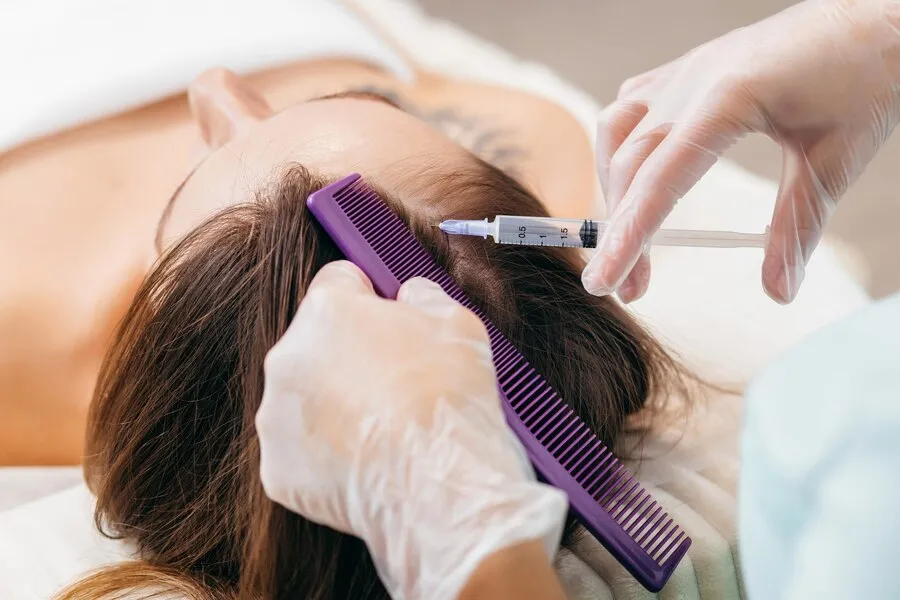
Growth Factor Concentrate (GFC)
Next-generation acellular autologous therapy isolating high-purity PDGF, VEGF, and EGF to revitalize starved root papillae with zero pain and zero RBC/WBC inflammation.

Exosome Hair Therapy
Extracellular nano-vesicles transferring vital paracrine signals to awaken dormant follicles, extend the anagen growth cycle, and calm chronic perifollicular inflammation.

PP88 Exosome Hair Therapy
Specialized bio-engineered exosome cocktail enriched with GHK-Cu copper tripeptides and vascular growth factors to biostimulate miniaturizing hair shafts and reinforce root anchoring.

Sapphire Micro-FUE Transplant
Permanent surgical transplantation of genetically DHT-resistant donor follicles utilizing ultra-fine sapphire blades with 95%+ graft survival for advanced baldness stages.
Root-Cause Hair Loss Diagnostic Mapping
Successful hair restoration begins with objective clinical diagnostics to uncover exact genetic, endocrine, and microvascular drivers of thinning.
200x Digital Trichoscopy
Microscopic mapping measuring shaft diameter variation, miniaturization ratios, perifollicular halos, and empty follicular ostia.
Endocrine & DHT Profile
Hormonal screening analyzing free testosterone, DHT sensitivity, thyroid hormones (TSH/T3/T4), and insulin resistance markers.
Nutritional & Ferritin Screen
Quantifying serum ferritin, Vitamin D3, Vitamin B12, and zinc levels to correct cellular follicular starvation at the root.
Scalp Histopathology
Direct 4mm punch biopsy analysis supervised by Dr. Sridevi P. to differentiate pattern thinning from scarring cicatricial alopecias.
Matching Treatment to Your Hair Loss Stage
Clinical interventions mapped precisely against Norwood & Ludwig hair loss stages, follicular viability, and realistic clinical timelines.
| Hair Loss Stage | Follicle Status | Primary Clinical Solution | Supportive Regimen | Expected Timeline |
|---|---|---|---|---|
| Early Thinning (Norwood I – II) | Miniaturizing shafts (15% - 25%), active ostia | Medical Anti-DHT Regimen + Exosome Therapy | Topical peptides + micronutrient balancing | 8 – 12 Weeks |
| Moderate Recession (Norwood III – IV) | Dormant papillae (40% - 60% miniaturization) | GFC Therapy + PP88 Exosome Micro-Channeling | Targeted 5-AR blockers + LLLT phototherapy | 12 – 16 Weeks |
| Advanced Balding (Norwood V – VII) | Fibrosed recipient canals, empty ostia | Sapphire Micro-FUE Hair Restoration Surgery | Post-transplant GFC graft bio-nourishment | 6 – 12 Months |
| Diffuse Shedding (Telogen Effluvium) | Sudden telogen shift (>150 hairs/day) | Nutritive Peptide Infusion + Exosome Therapy | Ferritin correction & stress stabilization | 4 – 8 Weeks |
| Female Pattern Thinning (Ludwig I – II) | Widening central parting, mid-scalp thinning | Autologous GFC Infusions + PP88 Exosomes | Anti-androgenic topicals & Iron balancing | 3 – 6 Months |
Consult Senior Dermatologists & Trichologists
Our senior specialists bring international fellowships from Toronto, Canada, and decades of combined clinical and surgical hair restoration experience.
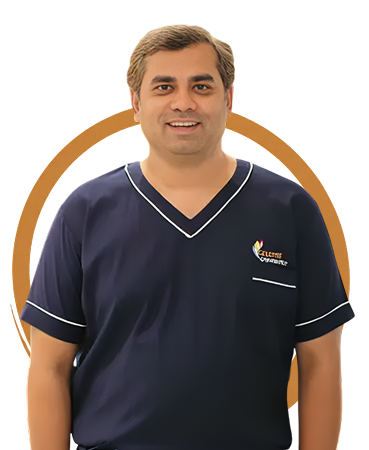
Dr. Raj Kirit E.P.
MBBS, DDVL, DNB (Dermatology), Toronto Fellow (Canada), Ex-Convener IADVL SIG Hair Transplantation.
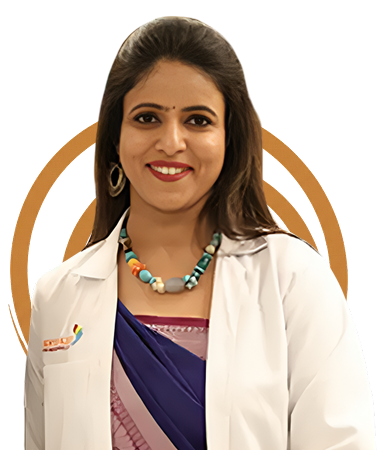
Dr. Sridevi P.
MBBS, MD Pathology (Double Gold Medalist), Toronto Fellow (Canada), Diagnostic Scalp Histopathology Expert.
Hair Loss Treatment FAQs
Evidence-based answers to clinical questions regarding hair loss treatments, GFC, exosomes, and recovery timelines.
