Celestee

treatment of psoriasis.png

Psoriasis Treatment in Hyderabad

If you have an itchy, scaly skin rash, you should promptly consult a skin doctor to get your skin problem diagnosed and treated appropriately. The safest, most effective, and most affordable psoriasis treatment in Hyderabad is available at Celestee Skin, Laser and Hair Clinic. Book an appointment!

What is psoriasis?

Psoriasis is a medical dermatological concern, a skin disease featuring an itchy, raised rash with scaly skin in patches. The condition usually affects the skin of the knees, scalp, face and inside of the mouth, toenails and fingernails, genitals, feet and palm, and lower back.

This skin condition requires medical attention and at Celestee Skin, Laser and Hair Clinic, the best dermatologist in Hyderabad, provides psoriasis treatment and helps one achieve healthy disease-free skin.

    Book Your Consultation


    We respect your privacy and your number will not be shared with anyone.

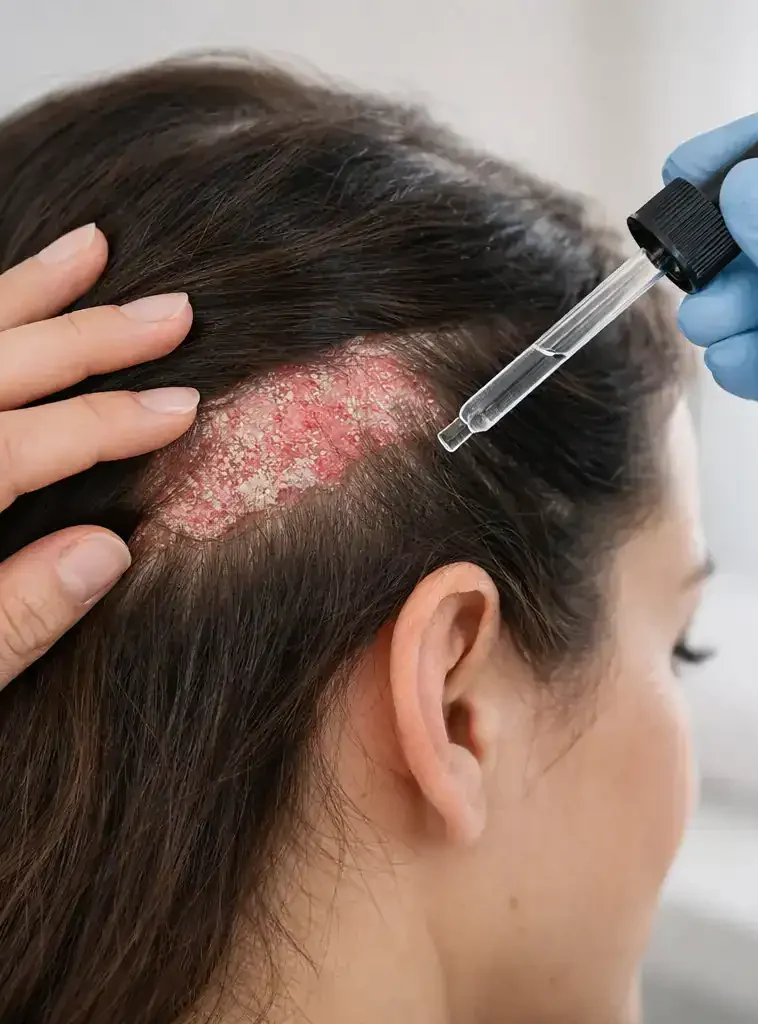
    how to treat scalp psoriasis effectively featured

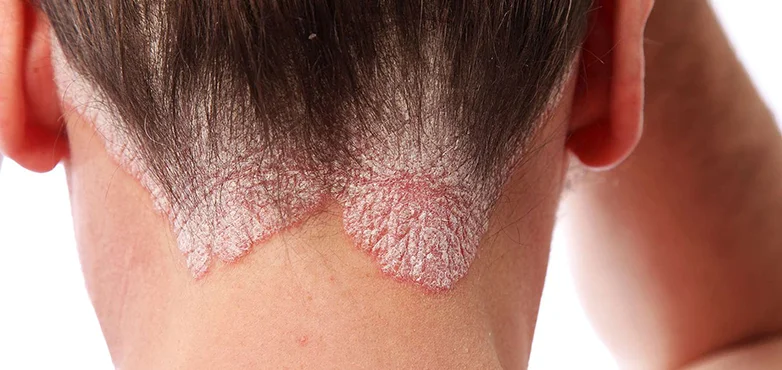
    What does psoriasis look like?

    The most common signs and symptoms of this skin condition include:

    • A patchy skin rash that may affect a small portion of the skin surface or cover large body sites as major eruptions
    • Purple rash with grey scales on brown and black skin and pink or red rash with silver scales on white skin
    • Dry, cracked skin that can easily bleed
    • Burning, itching, or soreness
    • Small scaly spots (often seen in children)
    • Rash flaring up in cycles of a few weeks or months.

    What are the different types of psoriasis?

    Psoriasis is of different kinds, each varying in their signs and symptoms. At a particular instance or once in an individual’s life, more than one type of psoriasis may show up.
    The types include:

    • Plaque psoriasis– It is the most common kind, characterised by dry, itchy, bumpy rashes in patches.
    • Guttate psoriasis– This condition mostly affect young adults and children. It is mostly triggered by bacterial infection. It presents as small, drop-shaped, scaling spots on the arms, legs, or trunk.
    • Pustular psoriasis– It features clearly defined, pus-filled blisters on palms or soles or as widespread patches on the skin. The condition is rarely seen.
    • Inverse psoriasis– Usually, a fungal skin infection, results in smooth, inflamed skin in the folds of the buttocks, groyne, and breasts. This type worsens friction and sweating.
    • Nail psoriasis– When psoriasis affects the fingernails and toenails, the nail gets discoloured, pitted, and abnormally grows. Onycholysis also occurs.
    • Erythrodermic psoriasis– It features an itchy or intensely burning, peeling rash all over the body. It is the rarest kind that can be short-lived or chronic.

    Celestee Skin, Laser and Hair Clinic, has the best Psoriasis treatment doctor in Hyderabad, who provides treatment for all types of psoriasis. Treatment plan is advised to the patient based on their unique skin care needs. Visit the clinic for more details!

    What causes psoriasis?

    No researcher has been able to find an exact reason behind psoriasis developing on the skin. But, as per expert’s belief, psoriasis is caused by a combination of factors. It is thought to be an immune-mediated disease where the immune system cells mistakenly attack healthy skin cells causing the skin cells to grow at a faster rate and cause inflammation. Both hereditary and environmental factors also trigger this skin condition.

    Who is at risk of developing psoriasis?

    Psoriasis is triggered in the following cases:

    • Skin infections or strep throat
    • Dry, cold weather conditions
    • Emotional or physical stress
    • A skin injury like a cut, scrape, severe sunburn, or bug bite
    • Active and passive smoking
    • Heavy alcohol intake
    • Intake of certain medications like hypertension drugs, antimalarial drugs, and lithium-based drugs
    • A rapid withdrawal of oral or injectable corticosteroid.

    Is psoriasis contagious?

    No, psoriasis is not communicable and does not spread from an affected individual to a healthy individual.

    How do dermatologists treat psoriasis?

    Psoriasis symptoms can be relieved with varieties of treatment options, commonly including:

    • Steroid creams
    • Moisturisers in case of dry skin
    • Medicated products
    • Medications like anthralin can help reduce the rate of skin cell turnover
    • Skin products containing Vitamin A/ret-inoid or D3 ointment.

    If the above-mentioned treatments fail to work, or if psoriasis rashes cover large areas of the skin, dermatologists recommend for any of the following treatments:

    • Light or LED therapy
    • Psoralen-based UV light therapy (PUVA)
    • Immunotherapy like biologics and small molecule inhibitors.

    For effective psoriasis management a proper treatment plan is created by the dermatologist based on the severity of skin issue, location of skin rash, age, gender and general health status.

    Visit the best psoriasis skin doctor in Hyderabad at Celestee Skin, Laser and Hair Clinic to get these treatments.

      Book Your Consultation


      We respect your privacy and your number will not be shared with anyone.

      What are the complications of psoriasis?

      Those who are affected with psoriasis have high chances of developing other health issues including:

      • Temporary skin discoloration
      • Psoriatic arthritis that also cause pain, stiffness, and joint swelling
      • Type 2 diabetes
      • Obesity
      • Cardiovascular disease
      • Hypertension
      • Autoimmune diseases like Crohn’s disease, celiac disease, and sclerosis
      • Mental health issues
      • Eye conditions like blepharitis, conjunctivitis, and uveitis.

      Is psoriasis preventable?

      There is no such way to completely avoid psoriasis. However, those affected with psoriasis can reduce their chances of experiencing psoriasis flare-ups. It can be managed by undergoing treatments that are recommended by the skin doctor. Along with this one must also live a healthy lifestyle, practise a good skincare regime, and must also try to avoid their psoriasis triggers.

      How can psoriasis be self-managed?

      Certain things can be done at the patient’s end to make living with psoriasis easier and more manageable. These include:

      • Daily have a bath using lukewarm water and allergen-free, mild soap. Avoid scrubbing the skin and gently pat dry skin.
      • After the bath, make sure the skin is moisturised. Use a light moisturiser as per skin type.
      • Expose the skin to UV light or sunlight for a minimum of 15-30 minutes daily.
      • Regularly exercise to keep the body active and healthy.
      • Take proper sleep and rest well. If stressed, try relaxation techniques like yoga and meditation.
      • Maintain a journal of when psoriasis flare-ups and what causes it so that it is known what to do when psoriasis flares up again.
      • Eat a healthy diet including foods that help reduce inflammation and can help improve psoriasis symptoms. Avoid intake of foods that can worsen psoriasis symptoms like unhealthy fats, dairy products, high carbohydrate diets, gluten, red meat, and alcohol.
      • Take proper care of mental health.

      How long do psoriasis flare-ups last?

      An episode of psoriasis flare-up can last for a few weeks or even several months and then the symptoms disappear, that’s when psoriasis is in remission. The remission of psoriasis lasts for a few months or even years. An effective treatment can help speed up recovery from psoriasis.

      Is there a cure for psoriasis?

      Psoriasis is a chronic condition with no fixed cause and also cure. Psoriasis isn’t curable but its symptoms can be relieved with various treatments.

      To get more details on psoriasis treatment cost in Hyderabad, book an appointment with a top dermatologist at Celestee Skin, Laser and Hair Clinic.

        Book Your Consultation


        We respect your privacy and your number will not be shared with anyone.

        Proven Transformations

        Real Patient Hair Transformations

        Swipe or click through visible patient transformations achieved across surgical hair transplants, GFC therapies, and medical alopecia treatments.

        FUE Transplant
        Before FUE Hairline Restoration Before
        After FUE Hairline Restoration After (9 Mos)

        FUE Frontal Hairline Design

        Stage 3 Vertex • 2,800 Grafts (9 Months)

        Reconstruction of receding temporal zones with natural feathered density and undetectable hairline artistry.

        GFC Therapy
        Before GFC Crown Therapy Before
        After GFC Crown Therapy After (4 Mos)

        GFC Crown Vortex Thickening

        Diffuse Thinning • 4 Sessions Completed

        Marked increase in hair shaft thickness and scalp coverage across miniaturized vertex follicles.

        Alopecia Care
        Before Alopecia Areata Treatment Before
        After Alopecia Areata Treatment After (3 Mos)

        Alopecia Areata Follicle Rescue

        Patchy Loss • 3 Months Post-Therapy

        Complete hair regrowth on smooth autoimmune bald patches following targeted intralesional therapy.

        FUT Mega-Session
        Before FUT Strip Transplant Before
        After FUT Strip Transplant After (12 Mos)

        Advanced Stage FUT Restoration

        Norwood Stage 5 • 3,600 Grafts (12 Mos)

        High graft yield single session with trichophytic scar closure delivering extensive scalp coverage.

        Mesotherapy
        Before Telogen Effluvium Regimen Before
        After Telogen Effluvium Regimen After (6 Wks)

        Telogen Effluvium Stabilization

        Acute Shedding • 6 Weeks Regimen

        Arresting 90% active hair fall and restoring follicular nutrition with bioactive peptide infusion.

        Save to list