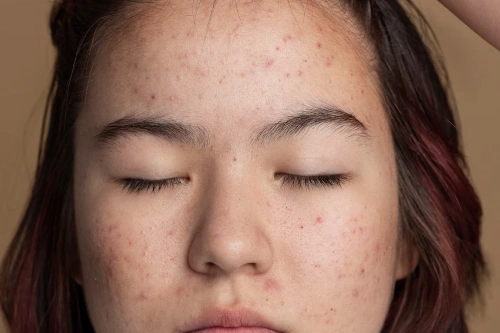
Once deep-seated acne or severe acne breakouts clear from the skin, they cause acne scars to develop. Although acne scars can fade over time, they rarely disappear on their own. Luckily, by partnering with experienced dermatologists, it’s possible to improve acne scars. One of the practical approaches that most dermatologists recommend to treat acne scars is dermal fillers for acne scar treatment in Hyderabad.
This article details how acne scars can be managed with dermal fillers and how they can help one achieve smoother and evenly toned skin.
Key Specifics of Acne Scars
Acne scars, a consequence of acne breakouts, form when there is abnormal production of collagen at the time of healing of acne-affected skin. Based on the amount of collagen produced, there are two types of acne scars: Atrophic or indented/depressed acne scars and Hypertrophic/raised acne scars.
Atrophic acne scars are a more common occurrence that results from low collagen growth during the healing process of acne. They are sub-categorized into ice pick scars, rolling scars, and boxcar scars, each varying in their depth, appearance, and location. Icepick acne scars are the most prevalent subtype.
Hypertrophic acne scars develop due to excess collagen growth. They can appear as raised, firm bumps within the boundaries of the previous acne breakout or grow beyond as keloid scars.
Acne scars can have a significant impact on both the physical appearance and psychological well-being of an individual. Managing acne lesions properly and getting them addressed early can help prevent or minimize acne scars. However, if acne scars develop, several dermatological treatments can help diminish their appearance, including dermal fillers.
What are Dermal Fillers?
Dermal fillers are soft tissue injectables, a non-invasive treatment option for reducing the appearance of acne scars. They can help improve skin texture and fade out the appearance of acne scars, specifically atrophic scars.
How Dermal Fillers Can Fix Acne Scars?
Dermal fillers can fill in the skin depressions resulting from impaired healing of acne lesions, volumize and lift the skin, and make the skin surface smoother and youthful. This helps to make the acne scars less prominent.
The most commonly used dermal filler is a hyaluronic acid-based filler. It is a natural filler ingredient that can retain the skin’s moisture and keep the skin plump. Thus, when it\’s injected underneath the skin surface, it helps repair the scarred skin and restore the volume of depressed acne scars.
Moreover, dermal fillers like those containing calcium hydroxylapatite, poly-L-lactic acid, and polymethylm-ethacrylate, as well as hyaluronic acid, work to stimulate neocollagenesis, or the growth of new collagen.
Collagen is a structural protein fiber in the skin that helps improve overall texture, firmness, and tone over time.
What to Expect from Dermal Filler Treatment for Acne Scars?
- Consultation Session – During a meeting with an acne specialist in Hyderabad, the patient\’s desires, concerns, and needs are all taken into account. The specialist ensures the patient is a suitable candidate for dermal fillers by conducting a skin exam and discussing medical/allergy history.
All pros and cons of the treatment, as well as the treatment details, are provided. - Preparation – The patient may need to undergo a skin test with the filler a month before the appointment to confirm its safety and effectiveness. Some medication and lifestyle adjustments may be instructed.
- The Treatment Session– For the appointment, the patient must come with clear, cosmetics-free skin. Probably, a numbing cream will be applied to the targeted area.
About 20 minutes later, the practitioner will administer a syringe containing filler. Nowadays, the filler injections contain lido-caine, an anaesthetic. - Results and Recovery – The results and recovery of the dermal filler treatment depend on the type of filler received by the patient.
Typically, an immediate improvement in acne scars is noticeable, and the skin continues to improve with collagen growth. Following the treatment, the patient can immediately resume most activities, even driving back home.
However, during the healing process, the patient must avoid strenuous exercise, direct sun exposure, and itching or rubbing of the treatment area. Repeated treatments are required to maintain the desired results.
Why Choose Dermal Fillers for Addressing Acne Scars?
Many people demand dermal fillers to fix their acne scars, because of the following pros of the treatment:
- Immediate filling in and lifting of the depressed skin
- Improvement in skin texture and tone with collagen growth
- Treatment of all types of atrophic scars
- Safe and effective, temporary solution
- Minimal downtime.
Risks and Considerations of Dermal Fillers
Potential side effects and risks, which are usually short-lived and mild, include redness, swelling, tenderness/pain, and discoloration at the injection site. To avoid serious side effects like lumping, infection, allergic reaction, migration, vascular occlusion, and asymmetrical results, it’s crucial to consider:
- Understanding filler types
- Setting realistic expectations
- Taking informed consent
- Practice proper aftercare
- Recognise serious complications
- Choose a certified, experienced practitioner with experience in injection techniques and facial anatomy.
FAQs on Acne Scar Treatment
How long does acne scar filler last?
The longevity of the filler effects depends on the type of filler used and the individual’s skin type and the type/severity of their scar. Hyaluronic acid-based fillers typically last for 6-18 months, while other fillers last longer.
Does dermal filler treatment hurt?
No. Mostly, patients report a scratch-like sensation, similar to what is experienced when a vaccine injection is administered. The use of a numbing cream at the injection site can make the treatment overall more comfortable.
Is there a permanent filler for fixing acne scars?
Polymethyl methacrylate (PMMA) combined with collagen is an FDA-approved, potential permanent filler for only indented acne scars. Other filler types act temporarily.
Can dermal fillers treat all types of acne scars?
No. Dermal fillers work best on indented acne scars, specifically rolling and boxcar acne scars. They are not very effective on ice pick scars, as they are deeper-seated than other types of acne scars.
How much does a dermal filler treatment for acne scars cost?
The specific price of dermal fillers used to treat acne scars is influenced by several factors. The cost-determining factors include the filler type/amount, the clinic\’s reputation and location, the practitioner\’s expertise/experience, and the required number of sessions.
Dermal fillers can help reduce the appearance of indented acne scars through multiple approaches when administered correctly by a skilled practitioner. If you want seamless and affordable acne scar treatment in Hyderabad, book a consultation with Celestee Skin, Hair and Laser Clinic experts and get a smoother, scar free, youthful and confident skin.
The clinic features the best acne scar management doctors and skin specialists who are also experts in performing laser treatments, chemical peels, microneedling, and P-RP treatments for acne scar management.