The human skin secretes certain enzymes, sebum, and antimicrobial peptides that provide microbial protection. It contains melanin pigment that acts as a defence against UV light, as well as blood vessels and sweat glands that aid in core temperature regulation. Overall, the skin protects the body from external factors like microbes/germs, chemicals, temperature, and even forces/pressure because of its overall structure (the epidermis, the dermis, and the subcutaneous tissue). As per dermatologist in Hyderabad, sometimes the skin’s protective response can be annoying and requires a doctor’s visit.
One such body reaction to protect sensitive skin, which we will discuss in detail here, is the formation of corns and calluses.
If you think your foot problem is corn or calluses, read on as we provide you with 10 things to know about corn and calluses on your feet.
What Are Corns and Calluses?
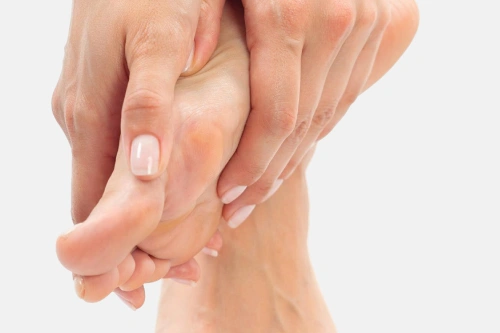
Corns and calluses are hard skin thickenings that develop on areas that are rubbed or pressed repeatedly for long, especially the bottom of the feet and side of the toes. They are not considered a serious skin problem for most people.
Why Do You Have Corns and Calluses on Your Feet?
Corns and calluses are generally caused by repeated or excessive pressure or friction on the skin. Sometimes, they may occur due to incorrect walking, but mostly, they are the result of wearing ill-fitting shoes.
Wearing footwear without socks or high-heeled shoes or having foot deformities can be reasons behind the formation of corns and calluses.
How can you spot Different Types of Corn and Calluses on Your Feet?
In general, the signs or symptoms of corns and calluses may include thick and hardened skin, dry and flaky skin, pain or discomfort, and bleeding.
Here’s how to spot the different types of corns and calluses which may develop on your feet:
- Hard Corn: It appears as a compact, hard skin patch with a dense core on the top of a toe or outside the little toe.
- Soft Corn: It presents as a tender, reddened skin area with a smooth, thin centre located in between the toes.
- Seed Corn: It is an often painful, plug-like circle of skin cell debris that develops on the heel or ball of the foot.
- Plantar Callus: It presents as a compact, dead skin patch on the bottom or plantar surface of the foot.
What are the Key Differences Between Corns and Calluses of the Feet?
Here’s how corns and calluses are different from one another:
- Appearance– Corns are rounder and smaller with core, whereas Calluses are larger and more flattened.
- Location– Corns typically develop on the sides of the feet and toes, while calluses form on the pressed areas of the feet like heels and balls.
- Associated pain/discomfort – Corns often cause pain when pressed, whereas calluses are typically painless. However, calluses can cause physical discomfort if they are in a weight-bearing area of the feet.
What You Can Do About Corns and Calluses on Your Feet?
You can take care of your corns and calluses by following these dos and don’ts and trying to get rid of them or prevent them from reforming.
Do’s:
- Wear cushioned, thick socks before putting on your shoes
- Soak feet in warm water to soften the corns and calluses
- Keep the whole foot skin well moisturized
- Regularly remove hard foot skin by using a foot file or pumice stone
- When wearing shoes for a long time, select a wide, properly fitting footwear with a low heel and soft insoles or heel pads.
Don’ts:
- Do not walk barefoot
- Avoid self-cutting or extraction of corns and calluses
- Do not wear high-heels or tight, pointy, ill-fitting shoes
- Avoid walking long distances or standing for extended periods of time.
Note: Avoid self-treating the condition if having diabetes, cardiac problems, or problems with blood circulation. See a dermatologist for corn and callus treatment in Hyderabad.
When Should You Visit a Doctor to Consult About Corns and Calluses?
Promptly seek medical attention when:
- You accidentally or knowingly got your corn or callus to cut and bleed, making it open for infection.
- Your corn or callus becomes infected or ulcerated, and you notice pus or clear fluid discharge.
- You are at high risk of infection in your corn or callus.
How Can a Foot Doctor Help Treat Corns and Calluses on Your Feet?
They may offer the following treatments for your Corns and Calluses:
- Cutting, trimming, or excision of severely infected or ulcerated corn or callus
- Patches to soften the hard skin and allow easier removal of corn/callus
- A well-fitting orthotics/ custom soft pads or insoles to put away pressure from the weight-bearing/painful area of the foot
- Prescription antibiotics to treat infected corn/callus.
What if You Leave the Corns and Calluses of Your Feet Untreated?
You will experience some complications if you leave corns and calluses unaddressed or have been living with diabetes or nerve problems of toes. Here are potential complications:
- More pain or discomfort leading to difficulty in walking or standing and change in posture and body alignment
- Infection
- Ulceration
- Gangrene (rare)
- Diabetes-related complications.
How You Can Avoid Having Corns and Calluses on Your Feet?
Here are some preventive measures for corns and calluses:
- Buy and wear only proper-fitting shoes with low heels
- Shop for shoes at the end of the day, when the foot is typically swollen, as this is the best time to take foot measurements for shoes
- Regularly repair or replace shoes as worn-out soles or linings provide little protection to the foot skin while walking or standing on hard surfaces and may chafe skin as well as foster bacterial growth
- If you have a foot deformity, such as hammertoes, be sure to select the proper footwear.
How to Find a Foot Specialist for Corns and Calluses?
Search online, obtain a referral from a general physician, or consult a dermatologist. Consider the foot specialist’s care, any available insurance coverage, and reviews and ratings.
If you are searching for expert care to treat your corns and calluses in Hyderabad, consider consulting experts at Celestee Skin, Hair and Laser Clinic. Book your appointment today.