Human skin is the largest protective barrier of the human body, composed of three layers: epidermis, dermis, and hypodermis. It plays a crucial role in protecting the internal organs; regulating and stabilizing body temperature; sensations; eliminating waste products in the form of sweat; water and electrolyte balance; and Vitamin D synthesis. Sadly, there is a wide range of skin problems that negatively impact overall skin health and even appearance.
Read on to gain a better understanding of skin diseases– their types, causes, symptoms, treatment, and prevention to make well-informed decisions. The insights are shared by a famous dermatologist and skin disease treatment doctor in Hyderabad at Celestee Skin, Hair and Laser Clinic.
What is a Skin Disease?
A skin disease, also referred to as dermatological disorder or dermatosis, is an umbrella term for a wide range of conditions that cause changes in skin function and appearance. The types of skin problems can range from mild and short-lived to debilitating and chronic. They can be identified and addressed by a certified dermatologist or skin specialist.
Types of Skin Diseases and Problems
Here’s a list of some of the types of skin diseases:
- Acne– It is the clogged skin pores/follicles that get plugged with impurities, cell debris, excess sebum, and sometimes bacteria. It can present as pimples, blackheads, whiteheads, nodules, or cysts, often affecting the skin of the face, back, and chest.
- Eczema (Atopic Dermatitis)– It is a chronic skin problem characterized by itchy, dry, and inflamed rashes that tend to crack or turn scaly.
- Rosacea– It is a chronic skin condition, primarily affecting the face and causing flushed, thick skin and sometimes tiny bumps.
- Psoriasis– It is a chronic autoimmune condition, often affecting the skin of the scalp, elbows, and knees by causing red, scaly patches that may feel hot or swell.
- Scleroderma/Systemic Sclerosis– It is a chronic, autoimmune disease where the skin gets hard and tight and there is even impact on blood vessels and internal organs.
- Raynaud’s phenomenon– It is the numbness or color change of the skin caused by periodic, reduced blood flow to the toes, fingers, or other body parts.
- Pemphigus– It is an autoimmune disease characterized by blistering of the skin.
- Hives/ Urticaria– It is a skin allergy characterized by itchy, raised welts on the skin.
- Skin infections– These include infections or skin inflammation caused by bacteria, viruses, fungi, or parasites.
- Seborrheic keratosis– It is the benign skin growth, appearing as waxy, discolored patches.
- Epidermolysis Bullosa– It is a connective tissue skin disorder encompassing a group of diseases where painful blisters form on the skin.
- Hidradenitis Suppurativa (acne inversa)– It is a chronic, inflammatory, non-contagious skin condition characterized by acne-like bumps or boils and tunnels or tracts that develop on or beneath the skin.
- Ichthyosis– It is a skin disorder that manifests as dry, thickened skin, resembling fish scales.
- Skin tags– These are small, fleshy growths that hang off the skin surface.
- Vitiligo– It is a hypopigmentation disorder where the skin loses its natural color in patches.
- Skin cancer– It is a life-threatening skin condition where the skin cells grow uncontrollably and abnormally.
Causes of Skin Diseases
The major factors contributing to the development of skin diseases include:
- Underlying health issues including the medical conditions affecting the thyroid, immune system, or kidneys
- Side effects of certain medications like the ones used to treat IBD
- Environmental triggers like allergens, pollutants, infectious microbes, and sun
- Genetic predisposition.
Symptoms of Skin Diseases
The skin problems symptoms significantly vary, depending on what specific condition an individual has. Some general symptoms of skin disease are:
- Changes in skin coloration/pigmentation
- Red, white, or pus-filled bumps on the skin
- Open sores, ulcers, or lesions
- Itchy or painful rashes
- Rough, scaly skin
- Peeling skin
- Dry skin.
When to See a Skin Doctor in Hyderabad?
Visit a doctor, especially a dermatologist, if:
- Experiencing symptoms of skin disease and looking forward to the best skin disease treatment in Hyderabad
- Noticing a sudden change in the appearance of a mole or patch of the skin and suspecting a skin cancer
- Wanting personalized skincare and the best possible, specific skin problem solution
- Unsure of the skin problem and seeking professional advice
- Having persistent itching or discomfort with the skin
- Having inflamed skin or wounds that don’t heal.
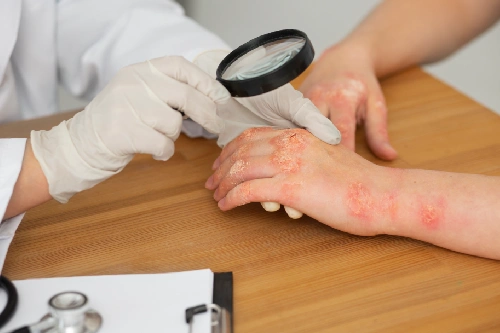
A dermatologist can diagnose the specific skin problem with visual examination and tests like biopsy, culture, dermoscopy, diascopy, Wood’s light test, skin patch test, and Tzanck test.
Skin Diseases Treatment Options
A skin problem solution depends on the condition that an individual is having. Many skin diseases respond well to the dermatologist-recommend treatments. Besides, the symptoms are even manageable with lifestyle adjustments like practicing proper skincare, managing stress, avoiding smoking and alcohol, and having a healthy diet.
The different skin disease treatment options include:
- Laser skin resurfacing (for skin growth removal and correcting skin texture and tone)
- Medicated topicals (for managing symptoms of different skin diseases)
- Surgical procedures (for removal of severe skin growths or acne)
- Oral medications (for acne and other skin problems)
- Antibiotics (for bacterial infections)
- Antifungals (for fungal infections)
- Antihistamines (for allergies like hives)
- Steroids (for reducing skin inflammation).
Preventing Skin Diseases
Some causes of skin diseases are inescapable like genetics and autoimmune disorders. However, some skin diseases, especially contagious ones, are preventable. Here are a few preventive measures:
- Limit or avoid exposure to skin irritants, harsh chemicals, environmental pollutants, and the sun’s UV light
- When using any public property, disinfect the surface
- Have a nutritious diet and plenty of water
- Avoid sharing personal belongings
- Have a restful sleep at night
- Practice a good skincare regime
- Manage stress.
Take Help From Skin Doctor
Skin diseases include all medical concerns of the skin including acne, rosacea, psoriasis, eczema, allergy, infection, skin cancer, and more. They can range in severity and longevity. Some are inheritable and contagious while others are not. Most of them cause dry skin, itchiness, or rashes. Often, their symptoms are manageable with proper skincare, medication, and lifestyle modifications. Sometimes, they need professional treatment by a dermatologist.
FAQs on Skin Diseases Treatment
What are the most common skin diseases?
Acne, psoriasis, eczema, allergies, rosacea, infections, and skin cancer are some of the most common skin diseases known.
What causes skin diseases?
There could be a variety of reasons behind the occurrence of skin diseases including irritants, allergies, infections, genetic predisposition, environmental factors like sun exposure, and underlying medical conditions.
How can I prevent skin diseases?
Skin diseases are avoidable if one practices personal hygiene, leads a healthy lifestyle, avoids sharing personal belongings, and practices a proper skincare regime including sun protection.
What is the best treatment for skin diseases?
A dermatologist can help plan out the best treatment based on specific skin problems. Common treatment options include topicals, medications, and minimally invasive and sometimes surgical procedures.
For details on skin disease treatment in Bangalore, book a visit now to achieve a healthy skin with expert care offered at Celestee Skin, Hair and Laser Clinic today!