Are you disturbed to have acne-prone skin? If striving to achieve clear skin but acne and its scar are letting you down, don’t sigh! Acne scars and acne marks on the face and body are very common after the healing of most acne lesions. Wondering why they occur, how to identify them, and how to get rid of them. Continue reading to learn everything in this blog by an acne scar doctor in Hyderabad at Celestee Skin, Hair and Laser Clinic and learn more about acne scars.
What Are Acne Scars?
Acne scars are the consequence of abnormally healing acne, specifically inflammatory or severe/persistent acne lesions. They are one of the common aesthetic skin concerns, significantly impacting one’s esteem and confidence.
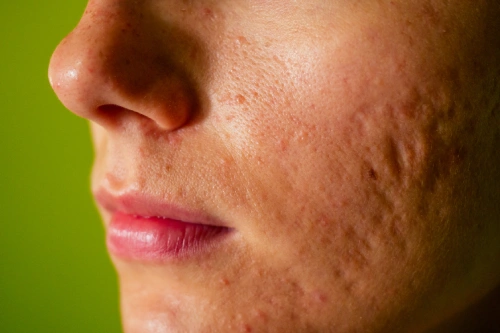
Acne scars can be depressed or raised and variable in size and appearance. Knowing about acne scars\’ causes and types is crucial to finding an appropriate treatment plan.
Causes and Risk Factors of Acne Scars
Acne scars show up on the skin surface and may aggravate due to the following reasons:
- Skin inflammation– Some acne breakouts are the result of pores clogged with debris, impurities, excess sebum, and acne-causing bacteria. These cause skin inflammation and subsequent damage to tissues that heal the skin, thus leading to acne scars. Cysts and nodules are the severe inflammatory acne types, most likely to cause scarring.
- Skin manipulation and damage– Picking, popping, or squeezing pimples can make the skin more inflamed and damaged, thereby causing acne scars.
- Heredity– Some people have acne scars as they are genetically predisposed to develop severe acne breakouts and resulting scars due to their poor response to skin inflammation and healing.
- Delayed treatment of acne– If an active acne is not properly addressed or neglected, there are more chances of developing acne scars due to persistent skin inflammation.
- Fluctuating hormone levels– Hormonal disturbances at the time of puberty, pregnancy, menopause, or conditions like PCOS can lead to acne breakout and subsequent scarring, especially in adolescents and young adults.
- Skin type and tone– People having oily skin types and darker skin tones are at more risk of developing acne and its scar.
- Skincare products– Certain cosmetics or skincare products may clog the pores, potentially causing acne and scarring.
Types of Acne Scars
Acne scars can become apparent in various forms and levels of severity. Based on the cause, the appearance, and the severity level, the following are the different types of acne scars:
1. Indented/Depressed/Atrophic Scars (due to collagen depletion at the time of acne healing)
These are further of the following subtypes-
- Ice Pick Scars– These are deep, narrow skin indentations, resembling the shape of an ice pick tool
- Boxcar Scars– These are broad skin indentations with sharply, defined edges
- Rolling Scars– These are wide or shallow depressions with sloping edges.
2. Raised Scars (due to collagen in excess at the time of acne healing)
These are further of two subtypes-
- Hypertrophic scars– These are raised, red, and firm regions that stay confined to the original boundary of the wound created by acne
- Keloid scars– These are the raised scars that grow big enough that they no longer stay within the original wound boundary.
Effective Treatments for Acne Scars in Hyderabad
The treatment plan for acne scars is created after assessing the acne scar type and severity and the individual’s skin type.
Here are some of the effective professional treatments for acne scars:
- Chemical peeling– This acne scar removal treatment involves the use of medical-grade acid solutions like salicylic acid, glycolic acid, or trichloroacetic acid to peel off the skin layers up to the depth of the scar tissues. There are three types of peels (light, medium, and deep), depending on the strength of the acid or its level of ability to penetrate the skin. These can help treat several types of acne scarring including acne marks.
- Laser treatment– The ablative fractional lasers can work the best in resurfacing the scarred skin and promoting new skin cell growth. Non-ablative lasers can also be helpful by boosting collagen growth. The lasers are most effective for treating boxcars and rolling scars.
- Microneedling– The use of a derma roller on scarred skin can improve the skin\’s appearance by stimulating the natural wound healing response, and fresh collagen growth. This technique creates controlled skin injuries and is effective for all the indented acne scars.
- Subcision– Acne scars extend and webs deep into the dermis and beyond. To disrupt and release the scarred tissues from beneath the skin surface and smoothen the skin, subcision is often preferred along with other treatments. The procedure involves the use of a needle or blunt probe that is inserted deep into the skin and repeatedly stroked.
How to Prevent Acne Scars and Acne Marks?
Follow these measures to prevent acne scars and avoid acne marks on the face:
- Maintain a proper skincare routine and wisely choose skincare products
- Avoid picking, popping, or squeezing the pimples
- Get acne timely treated by a dermatologist
- Daily sun-protect the skin with sunscreen
- Keep body and skin well hydrated
- Go for targeted skin treatments
- Have a healthy diet
- Manage stress.
Get Acne Scar Treated Today!
Acne scars remind us of the skin that had suffered from inflammatory acne lesions. They are the result of abnormally healed, inflamed, and damaged skin. Depending on the collagen growth at the time of the healing, acne scars can manifest as raised or indented scars. Dermatologists at Celestee Skin, Hair and Laser Clinic have the proper understanding and expertise to identify the cause, type, and severity of the acne scars and suggest an effective treatment plan.
FAQs on Acne Scar Treatment
What are the Most Effective Treatments for Pimple Scars?
A dermatologist can determine the most effective treatment for pimple scars after assessing an individual’s skin condition and the scar type/severity. In-clinic treatments include chemical peels, microneedling, laser resurfacing, and dermal fillers.
Can Acne Marks and Scars Be Removed Permanently?
Acne marks and scars are considered to be permanent. Treatments can help make them significantly less noticeable or even entirely disappear.
How Do You Get Rid of an Acne Scar?
Consider both at-home remedies and dermatologist-recommended treatments to achieve clear, smooth skin.
How are Acne Scars Different from Acne Marks?
Acne scars are permanent skin textural irregularities (raised or indented) resulting from unusual skin healing due to the impact on collagen production. Whereas, acne marks are discolored, flat spots, the temporary skin pigmentation irregularity resulting from skin inflammation.
How Long Does It Take to Treat Acne Scars?
The appearance of acne scars can be minimized with appropriate treatment typically after a few months or even a year or longer. The time taken for the skin concern to resolve depends on the acne scar severity, the treatment type, and individual factors like the skin type and healing ability.
For further details on acne scars treatment in Hyderabad and to achieve a flawless skin book a visit expert dermatologists at Celestee Skin, Hair and Laser Clinic.