Acne lesions of varying severity are commonly spotted on the face and upper body of teenagers and young adults. However, if they are faced by adult females when their body is experiencing hormonal disturbances, then they are referred to as hormonal acne. One cannot escape from hormonal acne but one can reduce the risk of their future breakouts. Identifying acne as hormonal is required as their treatment approaches might slightly vary from typical acne breakouts. Dermatologists can help in diagnosing and treating all types of hormonal acne.
In this post, hormonal acne is discussed in detail, its causes, symptoms, prevention, and how hormonal acne treatment in Hyderabad at Celestee Skin, Hair and Laser Clinic can help in its management.
What is Hormonal Acne?
Hormonal acne is a type of acne that affects adolescents and adults aged between 20 and 50 years who are experiencing hormonal fluctuations/imbalances in their bodies. Although men can suffer from this dermatological concern, the condition mostly affects pregnant women, women having menses, women affected with PCOS, and menopausal women.
Hormonal Acne-Prone Areas
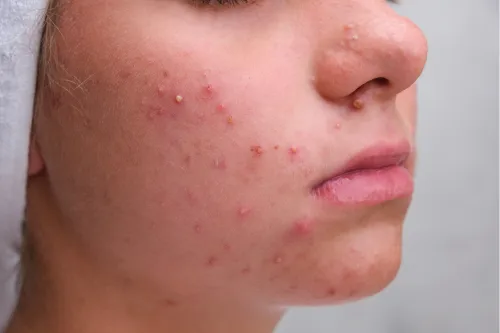
Typically, hormonal acne shows up on the lower facial region, which includes the cheeks and jawline. But it can even appear on the upper body areas- the shoulders, neck, chest, and back.
Causes of Hormonal Acne
Hormonal acne revolves around hormonal fluctuations or imbalances caused by aging, an underlying condition, or a repeated event. Thus, the potential reasons behind hormonal imbalance and acne breakouts include:
- Andr-ogen excess due to PolyCystic Ovarian Disease (PCOS) or testosterone-based hormone therapy (for masculinizing)
- Intake of certain medications like lithium-based drugs, progestin birth control pills, and steroids
- Consumption of high-glycemic index foods elevates blood sugar levels and may affect hormone production
- Sleep disturbance or poor sleep schedule
- Use of greasy or comedogenic/acnegenic products
- Genetic predisposition to acne
- Menstrual cycle
- Pregnancy
- Menopause
- High stress levels.
Due to the above-mentioned causes and triggers, the sebaceous glands become very active and start producing extra sebum (natural oils) at the base of the hair. These oils clog the pores along with impurities, cell debris, and sometimes bacteria, leading to non-inflammatory and inflammatory acne breakouts, usually severe acne.
Symptoms of Hormonal Acne
Hormonal acne can appear as different types of skin lesions. The types and signs of hormonal acne include:
- Comedones- These are non-inflammatory acne including whiteheads (closed comedones) and blackheads (open comedones)
- Papules- These are inflamed or infected skin pores that appear as red bumps of 2-5mm in diameter
- Pustules- These are pus-filled papules, appearing white in the center of the red bumps
- Nodules- These are deep-seated, large lesions that are hard and painful to touch
- Cysts- These are pus-filled nodules.
However, hormonal acne is most likely to be nodules and cysts and when they heal, they leave behind scars and discolored skin.
Treatment Options for Hormonal Acne
There are different approaches available for hormonal acne treatment, based on the severity of hormonal acne. Combination treatments are usually recommended for reducing sebum production, pimple formation, and painful skin inflammation.
The effective hormonal acne solutions include:
- Others- Daily skin cleansing, diet modification, and phototherapy or laser therapy are also effective treatments for hormonal acne
- Topical medications- including retin-oids, benzyl pero-xide, salicylic acid, antibiotics, and tretin-oin
- Oral medications- including antibiotics, isotre-tinoi-n, birth control pills, and spiro-nolac-tone
- Steroid injection- It is the treatment for hormonal cystic acne.
Hormonal acne symptoms are manageable with these treatments. In some cases, hormonal acne can re-occur after treatment but for others, when hormones are brought in balance, the hormonal acne naturally resolves.
Preventing Hormonal Acne
One cannot avoid hormonal acne but can reduce the risk of repeated acne breakouts by avoiding acne triggers. The practical tips that can help include:
- Following a dermatologist-recommended skincare routine that involves daily washing of the face (especially after sweat) with dermatologist-approved cleanser and lukewarm water; avoiding scrubbing/rubbing/picking the skin; and wearing proper sun protection
- Using non-comedogenic, non-greasy products that don’t clog the pores
- Having a proper diet and sleep
- Sticking to healthy lifestyle habits
- Managing stress.
When to See a Dermatologist for Hormonal Acne?
It is advised to see a dermatologist for hormonal acne if:
- Having severe hormonal acne-painful nodules and cysts interfering with daily functioning
- The topical products are not helping clear acne or control acne
- There are multiple acne lesions in noticeable areas
- There is a high risk of acne scarring
- Experiencing sudden acne breakouts.
Celestee Skin, Hair and Laser Clinic, dermatologist, provides more advanced, professional acne treatment to control hormonal acne. This includes hormonal therapy, the use of certain medicated creams, lasers, and peels for its management.
Talk to Dermatologist For Hormonal Acne Treatment
Acne breakouts during adulthood can be very frustrating and embarrassing. Hormonal acne is a type of acne that is often seen in adulthood when the body is going through hormonal disturbance. It is a very common occurrence. Standard acne treatments can help in achieving clear skin but for managing hormonal acne, dermatologists recommend addressing the reason behind hormonal imbalances.
Some anti-andr-ogen therapies can work best in treating hormonal acne. A dermatologist can help determine the best treatment plan for hormonal acne and even assist in the elimination of pesky, persistent acne lesions. Rest, identifying the triggers of acne breakouts, and following a proper skincare regime and healthy lifestyle are a must to ensure acne-free skin.
FAQs on Hormonal Acne Treatment
What Is Hormonal Acne and How Can It Be Identified?
Hormonal acne is an acne type resulting from hormonal shifts. It is usually deep and affects females during pregnancy, menses, and menopause, PCOS affected females, and those taking hormone-based therapies.
How Do Hormones Cause Acne?
Hormonal changes like andro-gen in excess and release of the stress hormone cort-isol promote sebum production in the skin, which can clog the pores and cause acne.
What Are the Best Treatments for Hormonal Acne?
Anti-andr-ogen treatments or medications are effective in blocking the andr-ogen hormone effects and treating hormonal acne.
Why Does Hormonal Acne Affect Cheeks and Neck?
The cheeks and neck are oily skin areas as these regions have more sebaceous glands. As these glands are sensitive to hormonal changes, especially an andr-ogen excess, they can lead to more sebum production, which clogs the pores and ultimately leads to hormonal acne breakouts.
Celestee Skin, Hair and Laser Clinic is a leading acne treatment clinic in Hyderabad, providing treatment for all types of acne, whether caused by pollution or hormonal imbalance. All skin concerns are treated by expert dermatologists. Visit now for more details!