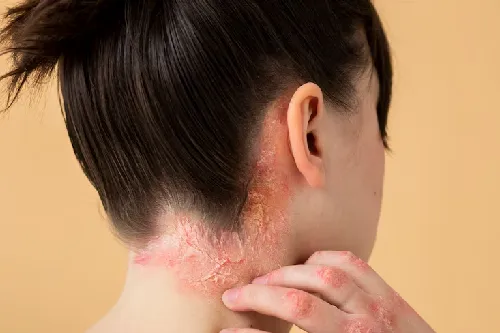
Seborrheic dermatitis is a skin condition that causes reddish rashes often accompanied by a yellowish crust. The rash is often inflamed and is greasy to touch due to the high presence of Malassezia (a type of fungi).
The condition is neither serious nor contagious but can cause discomfort and embarrassment in one’s life.
Thankfully, the seborrheic dermatitis symptoms are generally manageable with a proper skincare routine and treatment plan recommended by dermatologists in Hyderabad at Celestee Skin, Hair and Laser Clinic. They provide treatment after proper diagnosis and provide certain treatment and lifestyle tips for managing this skin issue.
What is Seborrheic Dermatitis?
Seborrheic dermatitis, also referred to as seborrhoea, is a chronic medical dermatological concern that displays as flaky and scaly rashes on areas with excess natural skin oils- like the scalp and the face. It is one of the common forms of eczema affecting infants (cradle crap) and adults aged between 30 and 60 years.
Causes of Seborrheic Dermatitis
The definite cause of the occurrence of seborrheic dermatitis is still under research. As per dermatologists, the two things responsible for seborrheic dermatitis are:
The extra sebum production (natural skin oil)
The overgrowth of yeast/fungus that naturally resides on the skin.’
Dermatologists believe that a fungus (Malassezia) causing seborrheic dermatitis symptoms feeds on the skin’s sebum and flourishes.
There are potential triggers of seborrheic dermatitis, which include:
- Side effects of certain medications like lithium and psoralen
- Use of certain skincare products
- Infrequent shampooing/skin cleansing
- Skin problems such as psoriasis, acne, and rosacea
- Underlying illnesses like HIV, epilepsy, and eating disorders
- Hormonal shifts
- Unhealthy diet
- High-stress level
- Dry, cold weather
- Oily skin.
Symptoms of Seborrheic Dermatitis
Seborrheic dermatitis symptoms can be noticed on all the oily areas of the body like the scalp, face, chest, ears, and others. The signs include:
- White, yellowish, or oily scales on the skin or crusting skin
- Ring-shaped yellow, red, or lighter/darker rashes
- Inflammation of skin in or behind the ear
- Blepharitis (Swollen eyelids)
- Greasy/oily skin
- Flaky skin (dandruff)
- Mild to severe itchy skin
- Hair loss
- Slight skin redness
- A burning sensation.
These symptoms can aggravate in winter months and due to excessive stress.
Diagnosis of Seborrheic Dermatitis
For identifying seborrheic dermatitis, a dermatologist will physically examine the affected area of the skin and discuss with the patient the symptoms being experienced. Sometimes, a dermatologist may perform a skin biopsy to rule out other skin problems with similar symptoms. In this test, a small piece of the affected skin is taken and microscopically examined to study the skin condition in detail.
Seborrheic Dermatitis Treatment Options
The goal of a seborrheic dermatitis treatment is to:
- Clear or reduce the scaly skin rashes
- Relieve the skin’s itchiness and inflammation
- Prevent the flare-ups or worsening of the symptoms.
Firstly, the patient needs to get seborrheic dermatitis self-restrained. Once that happens, a dermatologist can suggest a suitable treatment plan as per the location of the affected area and the severity of the condition for the maintenance of clear skin.
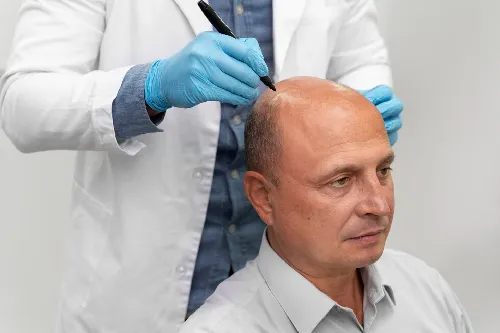
For seborrheic dermatitis scalp treatment, a dermatologist prescribes an anti-dandruff shampoo in addition to an antifungal topical, or a topical medication like corticosteroid or calcineurin inhibitor that is even prescribed in case of seborrheic dermatitis face treatment.
In severe cases, when most of the skin is affected, a dermatologist may prescribe oral antifungals or phototherapy (UV light therapy) along with lifestyle modifications including stress management, plenty of sleep, and a healthy diet.
In the case of cradle crap- seborrheic dermatitis in infants; a dermatologist may advise applying petroleum jelly or mineral oil to loosen the scales on the skin of their diaper area.
When to See a Doctor for Seborrheic Dermatitis?
It is recommended to schedule a consultation with a dermatologist if:
- Suspecting a skin infection due to pus-like fluid discharge from the affected area
- Experiencing discomfort and sleep/routine disturbance
- Embarrassed/anxious about the skin appearance
- Having persistent symptoms despite self-care
- Seeking severe seborrheic dermatitis treatment.
A seborrheic dermatitis doctor visit is beneficial in many ways. The patient can get an accurate diagnosis, know the cause/trigger of the condition, get professional guidance on how to manage seborrheic dermatitis symptoms and receive the most effective treatment.
Who to consult for seborrheic dermatitis treatment?
Untreated seborrheic dermatitis can cause dryness or even oily scales, and itchiness in the scalp and can cause red or yellow scaly patches or rashes in the hairline; it can even extend in the hairline, brow area, around the nose, and behind the ears.
The condition can affect one\’s living. Proper medical and physical examination by a dermatologist at Celestee Skin, Hair and Laser Clinic can help in identifying seborrheic dermatitis.
FAQs on Seborrheic Dermatitis Treatment
Can Seborrheic Dermatitis Be Cured?
This skin concern can be managed with effective dermatologist-recommended treatments and flare-ups can be managed by keeping the skin calm with proper skin care.
How Do I Treat Seborrheic Dermatitis on My Scalp?
One must use dermatologist-recommended medicated shampoos and products to manage scalp Seborrheic Dermatitis. Avoid picking up the scalp skin and do not use harsh products that can cause redness, extreme itching, and flaking.
Is Seborrheic Dermatitis Contagious?
No, this concern is not contagious. It does not spread through contact and is linked to inflammation caused by yeast overgrowth.
What Are the Best Skin Care Practices for Seborrheic Dermatitis?
One must apply gentle and fragrance-free moisturizers. Avoid using harsh exfoliants. Follow proper skincare routine and avoid triggers like stress and harsh climate conditions.
Celestee Skin, Hair and Laser Clinic is a leading dermatology clinic known for providing the best treatment for nail, hair, and scalp issues. Visit them to get the best seborrheic dermatitis treatment in Hyderabad today!