Hyperpigmentation is one of the widespread skin troubles, for which people reach out to a dermatologist. The skin darkening can be of varying colors and there could be many potential reasons for its occurrence. Thankfully, skin hyperpigmentation is fixable with various treatments. For an effective treatment, it’s advised to get full awareness of the cause and symptoms of hyperpigmentation. Keep reading to learn more.
What is Hyperpigmentation?
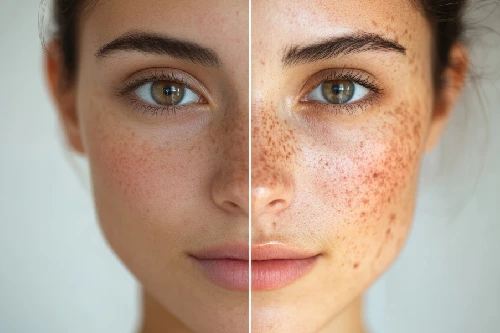
Hyperpigmentation is a familiar, long standing skin pigmentation disorder. It is most often a harmless skin issue but sometimes a sign of an underlying condition. Dermatologists categorize it under cosmetic skin concerns as it features noticeable skin darkening in patches which can be distressing and bothersome for any affected person. The dark spots/patches can develop anywhere on the skin, especially the sun-exposed areas. They can be of varying colors based on their natural skin complexion.
Based on the hyperpigmentation causes and symptoms, hyperpigmentation is mainly of three types: Melasma, Post-inflammatory Hyperpigmentation, and Sun Spots/Age spots/Liver Spots.
Causes of Hyperpigmentation
Skin pigmentation disorders are an outcome of malfunctioning of melanocytes- the melanin pigment-producing cells. Hyperpigmentation mainly occurs when extra melanin deposition takes place in a particular area of the skin.
The common hyperpigmentation causes or causes of dark spots include:
- Hereditary
- Birth control pills
- Smoking tobacco
- Fluctuating hormones like at the time of pregnancy
- Frequent or over-exposure to the UV from the sun
- Skin inflammation due to a previous skin injury/trauma
- Skin exposure to heavy metals like iron, lead, arsenic, and gold
- Certain dermatological concerns like atopic dermatitis and acne
- Certain underlying illnesses like diabetes, thyroid disease, and Addison’s disease
- Side effects of certain medications like antibiotics/ chemotherapy drugs/antimalarials that make the skin photosensitive.
Symptoms of Hyperpigmentation
Hyperpigmentation symptoms may vary based on the type of skin discoloration. Mainly, the condition manifests as spots or patches of skin that appear darker than the surrounding skin. These spots or patches can be of different sizes, shapes, and colors.
The common signs of hyperpigmentation include:
- Dark, raised skin patches
- Irregular, dark patches on the face (melasma)
- Eyelid skin darkening (periorbital hyperpigmentation)
- Velvety, dark patches in skin folds (acanthosis nigricans)
- Skin discoloration at an injured site (post-inflammatory hyperpigmentation)
- Small to large, tan to dark brown spots/patches on the sun-exposed skin (freckles and sun spots).
A dermatologist can help identify the exact type of hyperpigmentation that occurs in an individual after knowing the unique symptoms.
How Hyperpigmentation Affects the Face?
Hyperpigmentation mostly affects the facial skin. The face dark spots can be of varying types, based on the area where they develop.
Here are the common areas and triggers for different types of hyperpigmentation affecting the face:
- Freckles and sunspots- Any sun-exposed area of the face
- Melasma- Upper lips, cheeks, and forehead due to hormonal fluctuations and sun exposure
- Maturational hyperpigmentation- Sides of the face due to aging, genetic predisposition, metabolic disease, and sun exposure
- Periorbital hyperpigmentation- Both upper and lower eyelids due to the genetic predisposition, hormonal fluctuations, sun exposure, and side effects of certain drugs
- Post-inflammatory hyperpigmentation- Anywhere on the face where acne breakout, skin burn, or skin rashes occurs.
There are many beneficial and effective hyperpigmentation face treatments available with a dermatologist.
Effective Treatments for Hyperpigmentation
Hyperpigmentation treatment is determined by the underlying cause and extent of skin pigmentation. If seeking dark spot removal, here comes the useful information on the best, dermatologist-recommended skin hyperpigmentation treatments:
- Skin-lightening topicals– Many skincare products help lighten the skin, especially in case of age spots and melasma. These contain ingredients like hydro-quinone, licorice extract, Vitamin B3, and N-acetylglu-cosamine.
- Chemical peeling– In this treatment, a dermatologist applies an acid solution of suitable strength on the discolored area, depending on the extent of pigmentation. The acid injures the skin and causes it to peel off, revealing evenly toned skin from underneath.
- Laser skin resurfacing– This treatment involves focussing light of a specific wavelength onto the pigmented skin. The light causes selective thermal destruction of melanocytes and even promotes fresh collagen growth by heating the skin underneath. Both ablative and non-ablative lasers are available to balance out skin color/tone while tightening the skin and improving skin cell turnover.
- Microdermabrasion– The dermatologist swipes a drill-like, abrasive handheld device across the pigmented skin to gently and quickly remove the top skin layer.
How to Prevent Hyperpigmentation?
To prevent hyperpigmentation, dermatologists recommend wearing sunscreen of SPF 30 to 50 and covering the body and face with sun-friendly clothes, whenever going outdoors in the daytime to attain maximum protection from UVA and UVB rays from the sun. Besides sun protection for hyperpigmentation, one must even follow a proper skincare routine for pigmentation to avoid worsening of the hyperpigmentation.
The skincare routine for people affected with hyperpigmentation includes the application of:
- skin brightening face wash
- moisturiser with Vitamin C
- broad-spectrum sunscreen
- alcohol-free toner with skin-lightening ingredients
- serum having ingredients like Vitamin C, hyaluronic acid, and retino-ids.
When to See a Dermatologist for Hyperpigmentation?
It’s recommended to consult a skin pigmentation specialist– a dermatologist for hyperpigmentation, if:
- Suspecting a skin cancer
- Dark spots or patches of different colors appear on the skin
- Pigmented skin is not getting lighter with over-the-counter treatments
- Seeking professional help for strong, prescription skin treatments.
A dermatologist will provide personalized skin assessments, accurate diagnosis, and effective treatments as well as skin biopsy to rule out the possibility of skin cancer.
Get Hyperpigmentation Treatment Today!
Hyperpigmentation shows up as dark spots/patches on the skin. It’s a very common cosmetic concern among people nowadays because of their skin’s frequent exposure to direct sunlight. Other potential causes include skin inflammation, post-skin trauma and hormone fluctuation. A dermatologist can recommend the most effective hyperpigmentation treatment options like chemical peeling, laser treatment, and microdermabrasion. For managing skin pigmentation and maintaining skin health, sun protection, and proper skincare routine are a must.
FAQs On Hyperpigmentation Treatment!
Can hyperpigmentation go away on its own?
The fading or clearance of pigmented skin depends on the cause of hyperpigmentation. Mostly, hyperpigmentation can naturally fade but the process takes years. In the case of deep pigmentation, there is no complete absence of noticeable dark spots. A dermatologist can help quickly and effectively fade out pigmented skin appearance.
Is hyperpigmentation permanent?
Not every type of hyperpigmentation affects the skin\’s appearance for a lifetime. Hyperpigmentation can be hard to treat in case it\’s severe and affects dark-skinned people. That’s when the dark spots/patches are visible for the long term.
How long does it take to treat hyperpigmentation?
The time taken for hyperpigmentation to fade out after treatment depends on various factors. These include the cause of hyperpigmentation, the depth/extent of skin darkening, the chosen treatment, the skincare routine, and the skin tone of the treated individual. Generally, consistent hyperpigmentation treatment can provide the desired skin tone in a few months to even a year or more.
Can hyperpigmentation be prevented?
Yes. The risk of developing or worsening hyperpigmentation can be minimized with proper sun protection and a skincare regime.
Are there any side effects of hyperpigmentation treatments?
Yes. The commonly reported side effects include mild and temporary redness, swelling, skin pigmentation change, increased light sensitivity, skin irritation, skin crusting, burning/stinging, and dry skin.
Dermatologists at Celestee Skin, Hair and Laser Clinic provide the best hyperpigmentation treatment in Hyderabad. If one wants a clear pigmentation free skin visit the experts at the clinic today!