Got itchy, inflamed, dry, and scaly skin? It’s most probably atopic dermatitis. Thankfully, this skin condition is treatable with the help of a dermatologist.
If you are facing the same, go on to read this webpage. This blog looks at what is atopic dermatitis, discusses atopic dermatitis symptoms, causes, and treatment, and even throws light on the difference between eczema and atopic dermatitis. Hope you fully understand atopic dermatitis and timely seek dermatologist attention for your skin condition.
What is Atopic Dermatitis?
Atopic dermatitis is a chronic, benign, non-contagious skin condition that leaves the skin inflamed, itchy, red, and irritated. It usually occurs during childhood, but can even at other ages and stay for the rest of one’s life.
Atopic Dermatitis Vs Eczema: Understanding the Difference
Both Atopic Dermatitis and Eczema refer to the skin’s inflammation so the term can be interchangeably used. There are no major differences between eczema and atopic dermatitis.
Eczema signifies all kinds of skin disorders that lead to inflammation of the skin. On the contrary, the atopic dermatitis is simply just another common form of eczema. Other common dermatitis are known as dyshidrotic, discoid, neurodermatitis, stasis dermatitis, or allergic contact dermatitis.
Causes of Atopic Dermatitis
There are many possible atopic dermatitis causes, including:
- Pollutants, irritants, and allergens in the environment
- Genetic predisposition
- Overactive immune system.
Based on triggers of atopic dermatitis, there are two types of atopic dermatitis:
- Extrinsic– Atopic dermatitis is the result of skin’s response to an allergen or skin irritant like soaps and detergents; dry, cold, damp weather; woolen/synthetic fabric; food allergens; dust, mites, pollen, etc. Antibodies are found in the patient’s blood. It is the most common type.
- Intrinsic– Atopic dermatitis runs in families or is the result of a poorly functioning immune system, hormonal changes, and skin infections. It is less common. Also, antibodies are usually not detected in the patient’s blood.
Symptoms of Atopic Dermatitis
Eczema Atopic Dermatitis symptoms can considerably vary from one person to another. They can range from mild to severe. Some atopic dermatitis symptoms are:
Red, brown, purple, or gray rashes (as per one’s complexion)
- Raw, sensitive skin after scratching
- Skin darkening around the eyes
- Inflammation and swelling
- Small, fluid-filled blisters
- Cracked, dry skin
- Scaly patches
- Dry skin
- Crusting
- Itching.
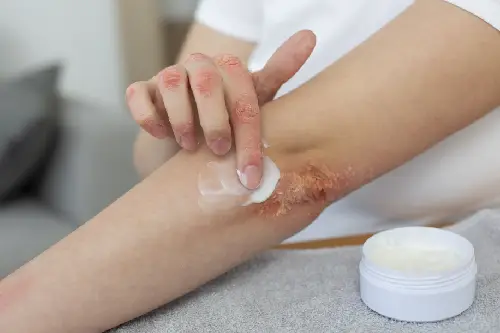
Infants mostly have a red rash on their face, scalp, and skin around joints. The rashes may ooze when scratched. Most children experience red, thicker skin on the bends of their knees, elbows, ankles, and necks. The skin may ooze or bleed when scratched. Teenagers and adults mostly have red to dark brown scaly rash on the skin of their neck, hands, knees, elbows, bends, ankles and feet, and around the eyes.
Atopic Dermatitis Treatment Options
Managing atopic dermatitis is possible with several medications and therapies. The treatment is decided based on the trigger that causes the condition to flare up, the type/location of the skin rash, and the skin response to certain treatments.
Eczema treatment options include:
- Topical/oral medications– Calcineurin inhibitors reduce skin’s inflammation and corticosteroids can help reduce the skin’s itchiness.
- Injectable– Dupilumab is an FDA-cleared injection that can be used to treat severe atopic dermatitis.
- Antivirals/Antifungals/Antibiotics– If the skin gets infected with a virus, fungus, or bacteria upon scratching, such medications can provide relief from symptoms.
- Wet therapy– It involves the application of steroid creams followed by wrapping the skin in wet bandages. It is done in case of severe atopic dermatitis flare-ups.
- Light therapy– A controlled amount of UV A or B light is focused on the affected skin if the severe or widespread rashes fail to be treated with other alternatives.
Self-Care for Atopic Dermatitis
For eczema management at home, here are some tips on atopic dermatitis self-care:
- Take a bath once a day using lukewarm water and mild, unscented soap. Once you’re done bathing, pat your skin with a soft towel to dry and then apply moisturiser
- Avoid wearing synthetic clothing or using anything that could irritate the skin
- Maintain stable, cooler temperature with some consistent humidity levels
- Take medication to control itching and get well-rested sleep
- Use stress relaxation techniques to manage your stress
- Do not use high water or alcohol-based skin products
- Avoid eating anything containing allergens.
Atopic Dermatitis on the Face: Special Considerations
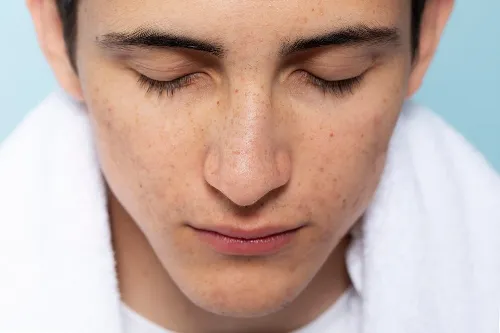
If experiencing flare-ups of atopic dermatitis on your face, a dermatologist can work with you and suggest the best eczema-on-face treatment. Here are some special considerations when treating atopic dermatitis on the face:
- Keep nails short to avoid infections or severe skin damage from scratching
- Use lukewarm or slightly cold water and mild cleanser to wash your face
- Apply a gentle moisturizer on a clean and dry face
- You can use a good humidifier to add some moisture to the air
- Don’t apply makeup if having a flare-up
- Avoid allergens and irritants
- Use anti-itch creams
- Manage stress.
Get Atopic Dermatitis Treatment in Hyderabad
Atopic dermatitis is among the common types of eczema that causes skin inflammation and irritation. It isn’t a serious skin condition but it can wreak havoc on one’s comfort and life quality. Effective skin care is an appropriate way of managing eczema. The patient should be aware of atopic eczema triggers and symptoms to get appropriate atopic dermatitis treatment in Hyderabad from a dermatologist. Most people with atopic dermatitis experience dramatic improvement once they receive a customized treatment and skincare regime.
FAQs on Atopic Dermatitis
What Is the Main Cause of Atopic Dermatitis?
The main reason behind atopic dermatitis is the damaged or disrupted skin barrier.
How Can I Treat Atopic Dermatitis at Home?
You can focus on soothing your inflamed, itchy skin by applying moisturizer, and anti-itch medication, using gentle cleanser, managing stress, using a humidifier, and wearing smooth textured, cool clothing.
Can Atopic Dermatitis Affect the Face?
Yes, facial skin is a common area to be affected with atopic dermatitis.
Is Atopic Dermatitis Curable?
No. Some treatments can only help manage symptoms of atopic dermatitis.
Get your atopic dermatitis treatment in Hyderabad with the expert dermatologists at Celestee Skin, Hair and Laser Clinic.