Hair loss is a very common worldwide concern that can be effectively managed by a dermatologist. It can be mild to severe and temporary or permanent. In any case, it has a considerable impact on one’s appearance and esteem, which is why the sufferers seek hair loss diagnosis and treatment.
Understanding the root cause of hair loss and its type and severity can empower hair loss sufferers to effectively avoid, stop, or manage hair loss. This blog gives insights on how dermatologist in Hyderabad at Celestee Skin, Hair and Laser Clinic check for hair loss type, pattern, and cause and provide the most-suited treatment plan.
What is Hair Loss?
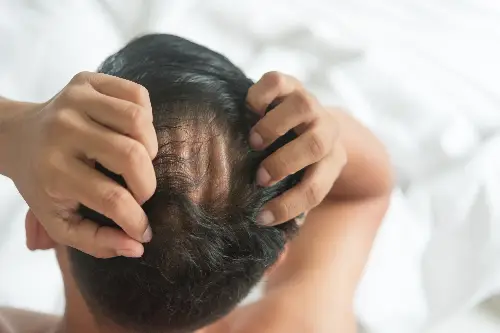
Hair loss, medically termed alopecia, is a common dermatologist concern featuring excessive hair shedding and delayed or absent natural hair regrowth. Hair thinning, receding hairline, hair brittleness, and bald spots/patches are all signs of hair loss.
Mostly, the condition affects the scalp but it can even occur in other areas like the beard, eyebrows, eyelashes, and body hair. Anyone, irrespective of age, gender, and ethnicity can suffer from hair loss.
Types of Hair Loss
Based on the cause, there are different types of hair loss including:
- Androgenetic alopecia– It is the most common hair loss type, commonly referred to as pattern baldness. In men, the hair loss starts from the temples continues around the head’s top, and often leaves hair along the scalp’s bottom. In women, hair loss occurs gradually in the form of hair thinning all over the scalp.
- Alopecia areata– It is an autoimmune condition wherein the immune system attacks healthy hair follicles and causes the hair to fall out suddenly in circular patches.
- Telogen effluvium– It is the type where a large number of hair follicles enter a resting phase of the hair growth cycle and get arrested there. This leads to hair loss without new hair growth.
- Anagen effluvium– It is the rapid, temporary hair loss due to chemotherapy.
- Cicatricial/scarring alopecia– It is the hair loss resulting from inflammation and scar tissue formation. The hair loss may start slowly or happen rapidly, all at once. Its subtypes include lichen planopilaris, folliculitis decalvans, discoid lupus erythematosus, frontal fibrosing alopecia, dissecting cellulitis of the scalp, and central centrifugal cicatricial alopecia.
- Infection-induced hair loss– A ringworm infection on the scalp called tinea capitis causes the hair to fall out.
- Hair shaft abnormalities induced hair loss– Trichotillomania, traction alopecia, and loose anagen syndrome are some hair shaft abnormalities that can cause hair to thin and weaken as well as easily break.
Reasons for Hair Loss
There are various hair loss causes. A dermatologist can identify hair loss with diagnosis methods and determine the most appropriate treatment.
The various reasons for hair loss include:
- Aging
- Genetics
- Hormonal imbalances
- Nutritional deficiencies
- Poor hair care routine
- Scalp conditions like tinea capitis, dandruff, psoriasis, and eczema
- Certain underlying medical conditions like lichen planus, lupus, and other autoimmune diseases
- Side effects of chemotherapy, anticoagulants, beta-blockers, ret-inoids, and antidepressants
- Constant hair-pulling or tension.
How Dermatologists Diagnose Hair Loss?
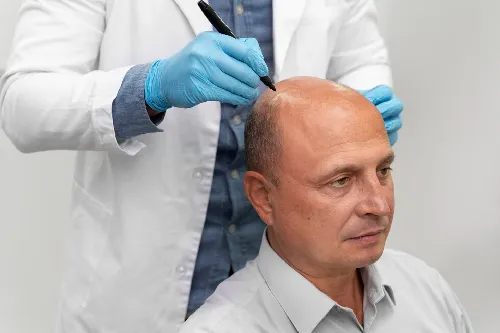
For diagnosing hair loss, a dermatologist reviews the medical history of the hair loss sufferer by asking questions and gathering relevant details that give clues for the cause of hair loss. Next, a dermatologist thoroughly examines the scalp of the sufferer for inflammation, scarring, redness, or soreness. The scalp skin is closely examined for the pattern and extent of hair loss and if there is hair breakage.
Here are some diagnostic tests that dermatologists in Hyderabad at Celestee Skin, Hair and Laser Clinic run for hair loss sufferers:
- Pull test and tug test– In a pull test, a dermatologist grasps about 40-50 hair strands, section by section, and gently tugs. If more than 6 hair strands come out, the patient is having active hair loss. This test provides details on the severity of hair loss.
In a tug test, a dermatologist holds the hair strands, section by section, using both hands, one placed near the hair root and the other at the hair tip, and sees if the hair strands break from the middle upon tugging. This test provides information about hair brittleness or fragility. - Card test– A dermatologist creates a section in the scalp and holds a card covered in felt against it. The color of natural, existing hair, including small and broken hair should contrast with the color of the felt card and thus be counted and examined for any abnormality. This test is used to examine the hair shaft\’s health and count the number of newly growing hair strands.
- Trichometric analysis– In this test, a dermatologist clicks pictures of the scalp and hair with a Folliscope and displays the images on a computer monitor screen. These images are checked to analyze characteristics of the scalp and hair including hair coverage and diameter/thickness of each hair strand.
- Light microscopy– A dermatologist uses a light microscope to examine hair roots and check for hair shaft abnormalities.
- Fungal culture– A dermatologist may scrape or swab the scalp skin or take a small skin sample/hair to test for fungal growth.
- Punch biopsy– For a refined diagnosis, hair loss doctors uses a punching device to create holes in the scalp and remove a small tissue sample which is further tested in the laboratory to diagnose the cause of hair loss.
- Blood tests– If a dermatologist suspects hair loss due to an underlying illness like hormonal imbalance or a nutrient deficiency a dermatologist may order for blood test.
Hair Loss Treatment Options
Hair loss treatment varies depending on its cause, type, and severity. The treatment options include:
- Oral medications/supplements
- Corticosteroid injections
- Low-level laser therapy
- Scalp microneedling
- Topical treatments
- P-R-P hair therapy
- Hair mesotherapy
- Hair transplant.
Get Effective Treatment For Hair Loss Today!
It’s essential to see a dermatologist if you want to know the cause, type, and severity of hair loss. There are various diagnosis methods for hair loss. Celestee Skin, Hair and Laser Clinic has the best specialists in recognizing the signs and causes of hair loss. They offer healthy hair solutions and provide personalized hair loss treatment. Combination hair loss treatments may be needed for managing hair loss effectively.
FAQs on Hair Loss
What Questions Should I Ask My Dermatologist About Hair Loss?
You can ask your dermatologist about what is causing your hair loss; what diagnostic tests will you need; is your hair loss temporary or permanent; what is the best treatment for your hair loss; and what changes you need to make in your hair care routine, diet, and lifestyle to prevent or stop your hair loss.
How Do Dermatologists Diagnose Hair Loss?
A dermatologist can diagnose hair loss with a variety of tests such as pull test, tug test, card test, KOH test, scalp biopsy, light microscopy, blood tests, and trichometric analysis.
Is a Dermatologist Responsible for Hair?
Yes. A dermatologist is a doctor who specializes in skin and hair-related issues and so can help with hair loss.
What Will a Dermatologist Ask Me?
During a visit to a dermatologist for hair loss, you will be asked about the duration, location, extent, and progression of your hair loss.
Can Dermatologists Remove Hair?
Yes. Dermatologists can help in natural hair restoration through a variety of procedures and even aid in unwanted hair removal using laser treatment.
Celestee Skin, Hair and Laser Clinic is a leading hair loss treatment clinic in Hyderabad, that has the best dermatologist for hair loss management. Visit now for more details!